How to make the best chicken sausage pasta step-by-step
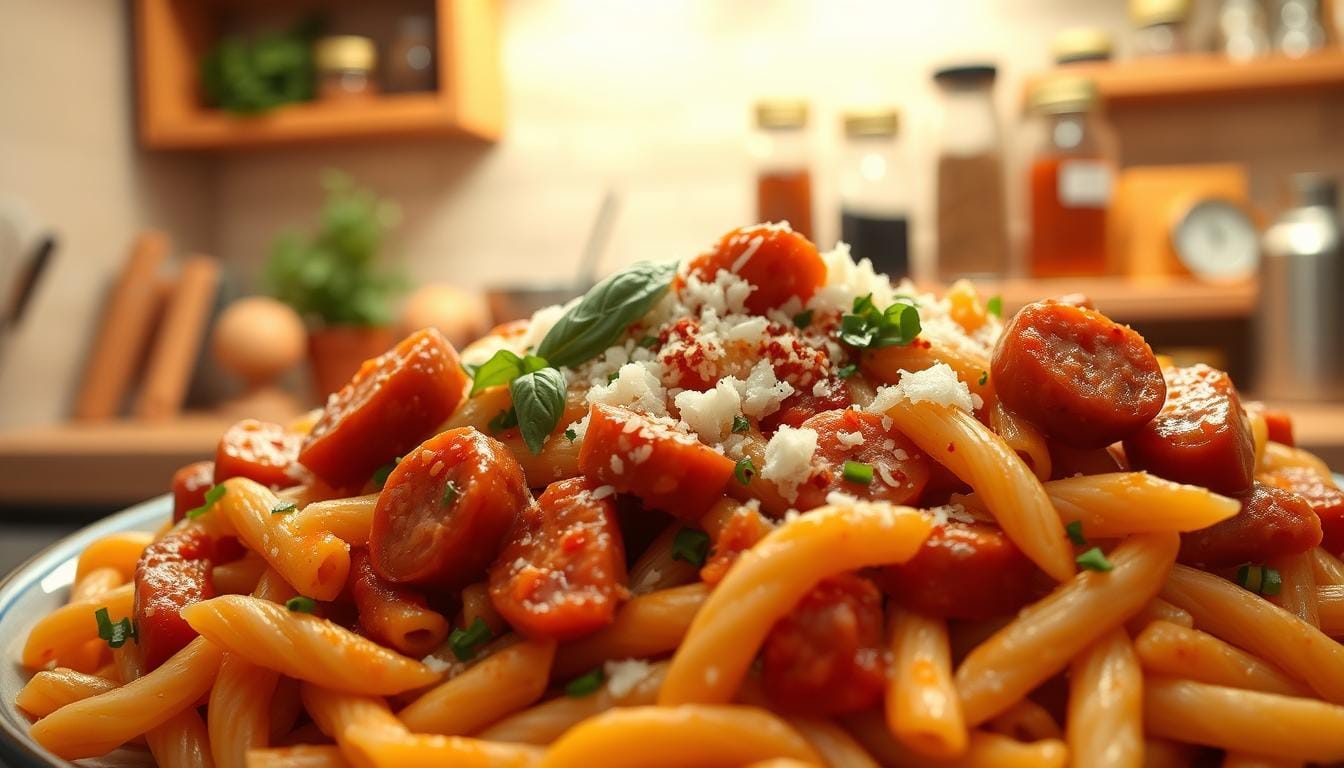
Ever wish dinner could feel like a warm hug? You crave something cozy, quick, and comforting. This chicken sausage pasta recipe turns simple ingredients into a homemade meal in about 45 minutes.
Learn to make chicken sausage pasta with a one-skillet method or the traditional boil-and-finish way. The steps are easy to follow. Whether you use smoked Butterball turkey sausage, spicy Italian chicken sausage, or chicken and apple sausage, the process is straightforward.
Table of Contents
Why this chicken sausage pasta recipe works for weeknight dinners
You’re looking for dinners that are quick, tasty, and easy to make. This chicken sausage pasta fits the bill. It uses common ingredients, cooks in one skillet, and lets you add your favorite extras. You can have it ready in about 30 minutes.
One-pan or one-skillet convenience
Cooking in one pan saves time and makes cleanup easier. With this method, you cook the sausage, soften the onions, add broth and tomatoes, and then stir in the pasta. The pasta cooks right in the sauce, skipping the need for a separate pot.
Flavor building from sausage and reduced broth
Browning the sausage adds rich flavor. Reducing the broth and tomatoes makes the sauce thick and tasty. This makes the dish feel more indulgent than it actually is.
Customizable with vegetables for variety
You can add different veggies to change the dish. Try adding frozen spinach, sliced mushrooms, or bell peppers towards the end. This keeps them fresh and adds variety. You can also use different sausages, like apple or spicy ones, for a unique taste.
| Benefit | How it helps you | Practical tip |
|---|---|---|
| One-skillet method | Fewer dishes, faster cleanup | Use pre-diced frozen onions to cut prep time |
| Reduced broth | Intense sauce that clings to pasta | Simmer until sauce thickens, about 8–12 minutes |
| Vegetable add-ins | More nutrients and texture without extra time | Add quick-cooking greens last, then fold in cheese |
| Flexible protein choice | Adapts to milder or spicier sausages | Swap in apple or spicy links for different flavor profiles |
| Weeknight speed | Meals ready in about 30 minutes | Plan for a quick chicken sausage pasta by having broth and tomatoes on hand |
Ingredients you’ll need and helpful swaps
Having the right chicken sausage pasta ingredients makes cooking faster and more flexible. Start with a basic list: pasta, olive oil, chicken sausage, onion, garlic, canned chicken broth, canned diced tomatoes, dried basil, frozen chopped spinach, and grated Parmesan. These items are staples that can be adapted to what you have.
Essential proteins and pasta: chicken sausage, smoked alternatives, and pasta choices
For protein, use one pound of chicken sausage or try smoked sausage or Butterball turkey sausage for a milder taste. If you make your own, slice homemade chicken sausage patties and brown them like links. Choose pasta that holds sauce well; penne, campanelle, or rigatoni are good options. These pasta choices help trap bits of sausage and spinach.
Pantry staples: canned tomatoes, chicken broth, garlic, olive oil
Canned diced tomatoes and a 14.5 oz can of chicken broth make a reliable sauce base. Low-sodium broth helps control salt. Garlic and olive oil start the flavor. Keep dried basil and a pinch of red pepper flakes for seasoning. Ro-Tel is a good tomato swap for a bit of heat.
Vegetable add-ins: frozen chopped spinach, mushrooms, bell peppers
Frozen chopped spinach is easy and healthy. Fresh spinach can replace it, but wilt time varies. Sliced mushrooms and diced bell peppers add body and color. Add vegetables in stages to cook evenly and avoid sogginess.
Cheese and finishing touches: Parmesan, Monterey Jack, scallions
Grated Parmesan adds salty, nutty depth. Monterey Jack melts into a creamy finish for a broiled top. Sprinkle sliced scallions for brightness. For sweeter notes, use apple chicken sausages or follow apple sausage recipes with milder cheeses.
| Ingredient | Typical Amount | Why it works | Swap options |
|---|---|---|---|
| Pasta (penne, campanelle) | 3/4 lb | Shapes trap sauce and sausage bits | Rigatoni, fusilli, or whole wheat pasta |
| Chicken sausage | 1 lb | Lean protein with savory spice | Smoked sausage, turkey sausage, or homemade chicken sausage patties |
| Canned chicken broth | 14.5 oz | Builds sauce and adds umami | Low-sodium broth or vegetable stock |
| Canned diced tomatoes | 14.5 oz | Tomato base that reduces to a rich sauce | Ro-Tel for heat or crushed tomatoes for smoothness |
| Frozen chopped spinach | 10 oz | Easy green that keeps well | Fresh spinach, kale, or sautéed mushrooms and bell peppers |
| Parmesan / Monterey Jack | 1/2 cup grated / 1 cup shredded | Finishing flavor; melting or grating choice | Pecorino Romano, fontina, or a blend for broiling |
| Olive oil, onion, garlic, dried basil | To taste | Flavor foundation and aromatics | Butter for richness; fresh basil for brightness |
| Optional: apple chicken sausages | 1 lb | Gives a touch of sweetness and warmth | Follow apple sausage recipes or mix with sage for pairing |
Choosing the best chicken sausage and related options
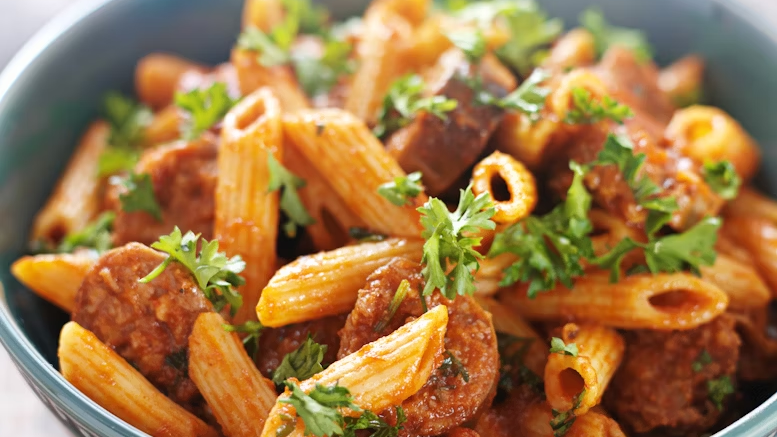
🎥 Click to watch the Chicken Sausage Pasta Recipe video on YouTube
Choosing the right sausage is key for your pasta dish. Look for one that balances fat, seasoning, and moisture. This ensures the sauce sticks to the pasta without being greasy.
Think about the flavor intensity and how it will mix with tomatoes, cheese, and veggies.
Differences between chicken sausage, turkey sausage, and spicy Italian
Chicken sausage is milder and leaner than many pork sausages. It browns well when it has some fat. For less fat, turkey sausage is a good choice.
Turkey sausage can be drier and might need a bit of oil or simmering to stay moist.
Spicy Italian sausages have bold herbs and heat. They’re great for a bold sauce. For less heat, choose a smoked or mild variety.
Apple chicken sausages and chicken and apple sausage recipes for a sweeter profile
Apple chicken sausages add a sweet touch that contrasts with acidic tomato bases. Diced apples in a skillet with onions mirror the sausage’s fruitiness. Many recipes sauté the apples until tender to blend with the sauce.
Choose apple chicken sausages for a softer, sweet-savory taste. They pair well with milder cheeses like Monterey Jack or a sprinkle of Parmesan.
How to use homemade chicken sausage patties if you prefer fresh-made sausage
If you make your own mix, form patties and brown them well. Crumble or slice the patties after searing for caramelized flavor. Homemade patties can hold more water, so drain excess fat or simmer briefly to avoid diluting the sauce.
Season your mix with sage, fennel, or red pepper flakes for the flavor you want. Making your own patties lets you control salt and spice, tailoring the pasta to your family’s taste.
| Type | Flavor Profile | Best Use in Pasta | Notes |
|---|---|---|---|
| Chicken sausage | Mild, savory | Everyday pasta; balances with herbs and cheese | Leaner than pork; brown with a bit of oil for best texture |
| Turkey sausage (example: Butterball) | Lower-fat, smoked options available | Good swap for lighter dishes; adds smoky depth | May need extra fat to prevent dryness; cooks slightly faster |
| Spicy Italian | Bold, herbal, spicy | Use when you want a pronounced kick | Strong seasoning can dominate; pair with robust sauces |
| Apple chicken sausages | Sweet-savory | Pairs with sautéed onions, apples, and milder sauces | Great for balancing acidity; try in chicken and apple sausage recipes |
| Homemade chicken sausage patties | Customizable | Use when you want control over spice and fat | Brown and drain as needed; crumble into the sauce for texture |
Kitchen tools and cookware to make prep faster
Choose cookware that fits your cooking plan. A wide, heavy skillet is great for browning and holds liquid for one-pot pasta. An oven-safe skillet is perfect for a bubbly cheese crust under the broiler.
Skillet recommendations: oven-safe vs. stovetop
For browning sausage on the stovetop and broiling cheese, choose an oven-safe skillet. Lodge cast-iron or All-Clad stainless with a long handle are good options. For stovetop only, a nonstick skillet with a thick base offers even heat and easy cleanup.
Time-saving gadgets: frozen diced onions, garlic presses, colanders
Frozen diced onions save chopping time and keep flavor consistent. A small garlic press is quick and preserves aroma. A sturdy colander is essential for boiling and draining pasta.
One-pot method tips to reduce dishes and cook time
For one-pot chicken sausage pasta, use a wide, deep skillet or shallow Dutch oven. It should hold broth and pasta with room to simmer. Measure broth and canned tomatoes before starting to keep the right ratio.
Cover the pan to trap steam and shorten cooking time. Stir gently to prevent sticking and use a lid to limit splatter when the sauce simmers.
Small investments make a big difference. The right skillet, time-saving gadgets, and frozen diced onions reduce prep time. This lets you focus on the flavor.
Prep steps before you start cooking
Before you start cooking, take a moment to organize. Good prep saves time and keeps the kitchen calm. You want everything within reach so you can move through the recipe without guessing.
Gathering ingredients and mise en place
Lay out the chicken sausage, pasta, canned tomatoes or Ro-Tel, chicken broth, garlic, and cheese. If you use cream, measure it now. Chop onions, slice sausage, and measure pasta into your pot.
Use small bowls to hold minced garlic, herbs, and grated Parmesan. This mise en place chicken sausage pasta approach keeps you organized and reduces last-minute mistakes.
Thawing and prepping frozen ingredients like spinach
Decide whether to thaw frozen spinach or add it frozen. Both work. If you thaw, squeeze excess water with a clean towel to avoid a watery sauce.
If you prefer to skip thawing, add the frozen chopped spinach to the skillet and simmer until tender. Either way, plan when you’ll add it so the texture stays pleasant.
Preheating pans and measuring liquids for consistent results
Heat your skillet over medium-high with a splash of oil until it shimmers. This helps you brown sausage quickly. Keep a lid and wooden spoon nearby for stirring and covering during simmer.
Measure chicken broth and any other liquids before you start. If you follow the one-pot method, measured liquids ensure the pasta cooks evenly. A quick prep for chicken sausage pasta step like this prevents watery or undercooked results.
How to brown chicken sausage for maximum flavor
Getting a deep, savory crust on sausage changes your pasta dish. Start with a hot pan and a thin film of oil. This helps you brown chicken sausage without steaming it, lock in juices, and build a base of flavor for the sauce.

Proper heat and oil usage to get a good sear
Heat one tablespoon of olive oil over medium-high until it shimmers but does not smoke. Add links or slices in a single layer so each piece touches the pan. Let them sit undisturbed for about two to three minutes, then turn to get an even crust.
If you need to brown chicken sausage that is raw, cook until no longer pink inside, about five minutes total, flipping once. For sear sausage for pasta, avoid overcrowding the skillet. Overcrowding causes steaming instead of Maillard browning.
When to add aromatics: onion and garlic timing
After the sausage is browned, push it to the pan edge or remove it briefly. Add chopped onion and cook until soft, about two minutes. Then add garlic and cook just until fragrant, about thirty seconds to a minute. This sequence keeps garlic from burning and gives the onion time to sweeten.
Return the sausage to the pan, let flavors mingle, and proceed with broth or tomatoes. If you add aromatics too early, they will steam and lose depth.
Tips for using smoked or spicy sausages without overcooking
For smoked sausages or pre-cooked links, use medium heat and brown quickly to crisp casings and warm the interior. Aim for four minutes of gentle browning instead of high heat that dries the meat.
When using spicy sausage, follow spicy sausage tips: cut back on added chiles or red pepper flakes if you prefer milder heat. For homemade sausage patties, break them up, brown thoroughly, and drain excess fat so your sauce does not get greasy.
| Type of Sausage | Best Heat | Target Browning Time | Key Tip |
|---|---|---|---|
| Raw chicken sausage | Medium-high | 4–6 minutes (until no pink) | Use one tablespoon oil; do not overcrowd |
| Pre-cooked smoked sausage | Medium | 3–5 minutes (quick crisp) | Warm through; avoid drying out while browning smoked sausage |
| Spicy Italian or hot links | Medium | 3–5 minutes | Follow spicy sausage tips; reduce extra chiles if needed |
| Homemade sausage patties | Medium-high | 5–7 minutes (break up and brown) | Break apart and drain excess fat for a cleaner sauce |
Making the sauce: combining broth, tomatoes, and seasonings
First, brown the chicken sausage and soften the onions and garlic. Then, add chicken broth and diced tomatoes. Stir well, bring to a boil, and then simmer for about five minutes. This step makes the sauce richer and helps it stick to the pasta.
For a spicier sauce, add Ro-Tel. It adds a tomato-chile flavor. You can also add cream for a creamier sauce. Or, keep it simple with just the broth and tomatoes.
Season the sauce carefully. Start with low-sodium broth and add salt and pepper slowly. Taste as you go. For more heat, add red pepper flakes or use spicy sausage.
Basil is a great addition to the sauce. Use dried basil while simmering for a milder flavor. Add fresh basil at the end for a bright taste. A bit of butter or cream can also enhance the sauce.
Reducing the broth early in the process is key. It makes the sauce thicker and more flavorful. This way, the pasta absorbs the sauce perfectly, without it being too runny.
| Element | Why it matters | Quick tip |
|---|---|---|
| Reducing chicken broth | Concentrates flavor and helps sauce cling to pasta | Simmer 4–6 minutes after adding broth and tomatoes |
| Using Ro-Tel | Adds heat and texture with tomatoes and green chiles | Pair with a splash of cream for a spicy, creamy sauce |
| Seasoning chicken sausage pasta | Balances salt, heat, and herb notes for a rounded dish | Start with 1/2 tsp salt and 1/2 tsp pepper; adjust to taste |
| Herbs | Bring freshness and aromatic lift to the sauce | Use dried basil during simmering, fresh basil at the end |
Cooking the pasta with the sauce versus separately
Choosing to cook pasta with the sauce or boil it separately affects your dish. Each method offers different control over pasta texture and sauce thickness. Here are the steps and trade-offs to help you decide.
One-pot method: add dried pasta directly to the sauce and simmer
The one-pot method saves dishes by cooking pasta in the sauce. You start with measured liquid, boil, cover, and simmer until the pasta is tender. This makes the sauce cling to the noodles, creating a creamier feel.
This method needs careful liquid amounts and stirring to avoid sticking. Timing is key because the pasta cooks in the sauce. Follow package times and check for doneness.
Traditional method: boil pasta al dente and finish in the skillet
For firm bites, boil pasta separately until al dente, then drain and toss with sauce. Many follow Allrecipes-style: cook 8–10 minutes, drain, and mix with sauce.
This method gives you control over pasta texture and sauce. You get consistent results but use an extra pot.
Pros and cons for texture, timing, and starch release
Use the table below to compare key differences and pick the right approach for your meal.
| Factor | One-pot chicken sausage pasta | Boil pasta separately |
|---|---|---|
| Dish count | Minimal pots, easier cleanup | Extra pot for boiling, more cleanup |
| Sauce consistency | Starch-thickened, clings well to pasta | Independent control; reduce to desired thickness |
| Pasta texture control | Needs careful monitoring for even doneness | Greater precision; you can achieve perfect al dente |
| Timing | Usually ~15 minutes active simmering | Parallel tasks; boil 8–10 minutes then finish in skillet |
| Risk points | Uneven cooking or sticky clumps if liquid is off | Overcooking during finish if left too long in sauce |
| Best use | Weeknights when you want quick cleanup and a creamy sauce | When pasta texture chicken sausage pasta is top priority |
When cooking pasta in sauce, measure liquids and stir often. If boiling pasta separately, save some pasta water to adjust sauce consistency when finishing in the skillet.
Adding vegetables and how they change the dish
Choosing the right vegetables can transform chicken sausage pasta. They add color, texture, and nutrition. Plus, they make the sauce taste better and stretch the meal.
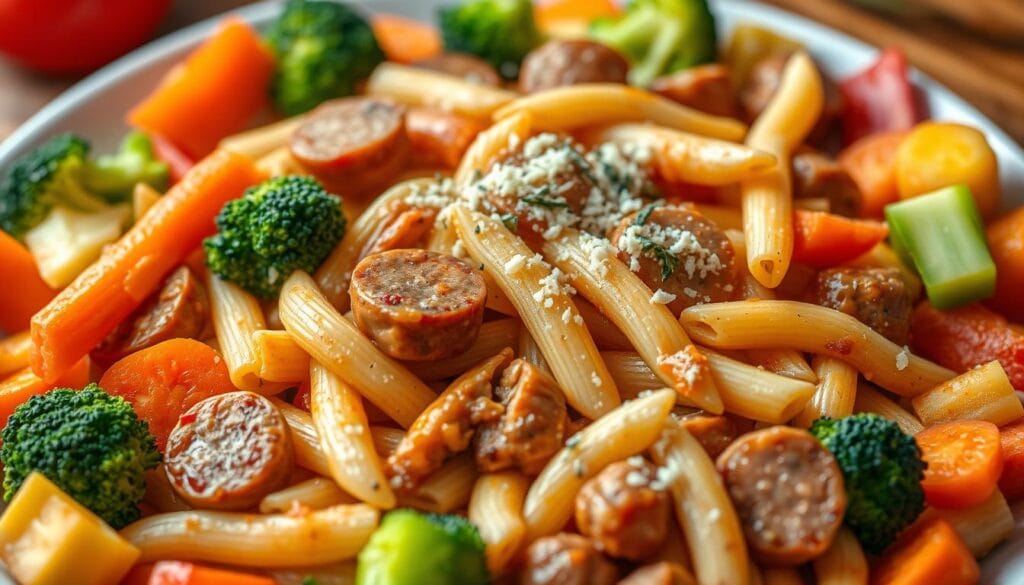
Using frozen chopped spinach for convenience and nutrition
Frozen spinach is a time-saver. Just stir a 10 oz package into the pan after reducing the sauce. Cover and simmer until it’s tender. This method keeps the spinach soft without adding too much water.
Fresh vegetables to elevate flavor: mushrooms, bell peppers, onions
For a rich flavor, add mushrooms, bell peppers, and onions while browning the sausage. They soften and get a nice color. Many love mushrooms and peppers for their umami and sweetness.
When to add vegetables so they cook evenly without getting soggy
Timing is key to avoid soggy veggies. Add onions, mushrooms, and peppers with the sausage. Then, add delicate greens like fresh spinach near the end. For frozen veggies, wait until after reducing the liquid and simmer until tender.
| Vegetable | When to Add | Effect on Texture | Tip |
|---|---|---|---|
| Frozen chopped spinach | After sauce reduction | Soft, integrated | Cover and simmer until no ice crystals remain |
| Fresh spinach | Near the end | Delicate wilt | Toss quickly to avoid overcooking |
| Mushrooms | During sausage browning | Meaty, caramelized | Cook until browned, drain excess liquid |
| Bell peppers | During sausage browning | Sweet, slightly crisp | Use a mix of red and green for color |
| Onions (fresh or frozen) | Start of browning | Soft, sweetened | Frozen diced onions speed prep without flavor loss |
To keep veggies in chicken sausage pasta fresh, follow these timing tips. This way, you balance flavor and texture for a hearty dish.
Finishing touches: cheese, broiling, and plating tips
Before you finish your chicken sausage pasta, check the sauce’s consistency and taste. If it’s too thin, simmer it for a few minutes to thicken. For a creamier feel, add a splash of heavy cream or some shredded cheese just before serving.
Stirring in cheese and when to broil
Adding 1/2 cup of grated Parmesan or shredded Monterey Jack makes the sauce smooth. Mix in the cheese off the heat to avoid lumps. Then, taste and adjust the salt as needed.
To broil the cheese, move the dish to a skillet or baking dish that can go in the oven. Sprinkle the remaining cheese and some scallions on top. Broil for about three minutes until it’s golden and bubbly. Be careful not to burn it.
Garnishes that boost look and flavor
Adding simple garnishes can make a big difference. Sprinkle extra Parmesan for a salty kick, scatter parsley for freshness, and add scallions for crunch. These touches add color and texture to your dish.
Serving suggestions and portioning
Serve the pasta warm, straight from the skillet, for a family-style look. Or, plate individual portions for a neat presentation. Aim for about one cup per adult, adjusting based on appetites and other dishes.
| Finish Step | What to Use | Time | Result |
|---|---|---|---|
| Stir in cheese | 1/2 cup Parmesan or Monterey Jack | 30–60 seconds off heat | Creamy sauce that clings to pasta |
| Broil top | Additional shredded cheese + scallions | 2–4 minutes under high broil | Bubbly, golden cheese crust |
| Garnish | Chopped parsley, extra Parmesan | 30 seconds | Fresh color and bright flavor |
| Portion | Pasta and sausage ratio for families | Immediate | Consistent servings, easy scaling |
Common problems and troubleshooting tips
You can fix most issues without starting over. Here are quick, practical steps to troubleshoot chicken sausage pasta. You can stop a watery sauce, rescue undercooked pasta one-pot, and tame a salty sausage pasta.
Fixing a watery sauce
If your sauce feels thin, simmer uncovered for 4–8 minutes. This reduces liquid and concentrates flavor. Cutting 1/4–1/2 cup of the initial broth keeps the pot from getting watery in the first place.
Stirring in grated Parmesan or Monterey Jack thickens the sauce as it melts. For a faster watery sauce fix, whisk a small cornstarch slurry (1 tsp cornstarch + 1 tbsp cold water) and add it while the sauce simmers until it thickens.
Dealing with undercooked or overcooked pasta
With the one-pot method, keep the lid on and simmer about 15 minutes for most dried pasta. If pasta remains undercooked, add a splash of reserved hot water or broth, cover, and cook a few more minutes.
If pasta is overcooked and mushy, move the dish off heat. Fold in a handful of cheese to add creaminess and body. Serve immediately to avoid further breakdown.
Balancing salt and heat
Start with low-sodium chicken broth when you cook. Taste midway and add modest salt—about 1/2 tsp—only if needed. Spicy sausages like Italian or Ro-Tel require cutting back on red pepper flakes and chiles so the heat does not overwhelm the dish.
To fix a salty sausage pasta, add an unsalted liquid such as water or low-sodium broth, a splash of cream, or a peeled potato simmered briefly to absorb excess salt. Then, discard the potato before serving.
| Problem | Quick Fix | When to Use |
|---|---|---|
| Watery sauce | Simmer uncovered 4–8 min; add cheese or cornstarch slurry | After pasta absorbs liquid but sauce looks loose |
| Undercooked pasta one-pot | Add 2–4 tbsp hot broth or reserved pasta water, cover, simmer 3–5 min | Pasta is firm after recommended cook time |
| Overcooked pasta | Remove from heat, fold in cheese, serve immediately | Pasta is soft and breaking apart |
| Salty sausage pasta | Add unsalted liquid or cream; simmer with peeled potato then remove | Flavor tastes too salty after sausage and broth added |
| Too spicy | Reduce added chiles, add dairy like cream or cheese to mellow heat | Sausage or canned tomatoes add unexpected heat |
Key Takeaways
- This one-skillet chicken sausage pasta can be ready in about 45 minutes and serves six.
- You can use pantry items—canned diced tomatoes, chicken broth, frozen spinach—to make weeknight cooking easier.
- Step-by-step chicken sausage pasta instructions cover one-pan and traditional methods so you can choose texture and cleanup level.
- Swaps like smoked sausage, turkey sausage, or chicken and apple sausage recipes let you tailor sweetness and spice.
- Finishing with Parmesan or Monterey Jack and a short broil creates a rich, family-friendly dish.
Conclusion
You’ve learned how to make a tasty weeknight dinner with simple ingredients. Use canned tomatoes and frozen spinach to make a great sauce. Follow the guide to prep, manage liquid, and pick the right sausage. Your sauce will cling to pasta, serving six in about 45 minutes.
Want to save time and dishes? Try the one-pot method. Cook pasta right in the sauce. For a rich taste, add cheese, broil with Monterey Jack and scallions, or mix in Parmesan for creaminess.
Whether you boil pasta or make homemade sausage patties, the main steps are clear. Choose the right protein, prep ahead, and finish with cheese and garnishes. This easy method makes chicken sausage pasta that’s tasty, flexible, and perfect for families.
FAQ
How long does this chicken sausage pasta take to make and how many servings does it yield?
Can I make this as a one-pot or one-skillet meal to cut down on dishes?
What type of sausage works best — chicken, turkey, smoked, or spicy Italian?
How do I use homemade chicken sausage patties in this recipe?
What pantry staples should I have on hand for this recipe?
Can I substitute fresh vegetables for frozen spinach?
Should I pre-boil pasta or cook it in the sauce?
How do I get the best browning on chicken sausage for flavor?
My sauce is too watery — how do I fix it?
How should I balance salt and heat when using canned broth or spicy sausage?
Can I make a creamier version of this pasta?
What cheeses work best for finishing and broiling?
Can I use apple chicken sausages or chicken and apple sausage recipes in this dish?
Any tips for timing and equipment to speed up weeknight prep?
How do I prevent the pasta from sticking or cooking unevenly in the one-pot method?
What are good garnish and serving suggestions for a family-friendly meal?
We Value Your Opinion!
Tell us how this recipe worked for you — your voice counts.
There are no reviews yet. Be the first one to write one.