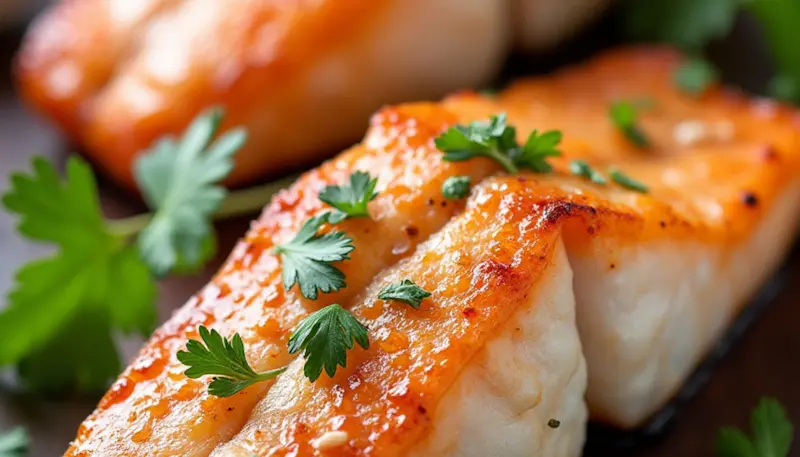
Perfect Brine for Smoked Salmon
Making the perfect brine for smoked salmon is the first step toward achieving rich flavor, tender texture, and restaurant-quality results at home. A well-balanced salmon brining solution does more than season the fish — it protects moisture, enhances natural oils, and prepares the salmon for flawless smoking.
Whether you’re a home cook experimenting with seafood or a seasoned smoker looking to refine your technique, mastering a smoked salmon brine is essential. The right combination of salt, sugar, and aromatics transforms fresh salmon into a deeply flavorful, silky masterpiece without overpowering its natural taste.
This guide covers everything you need to create the best brine for smoking salmon at home.
You’ll learn the ideal ratios, brining times, and expert techniques for consistent results.
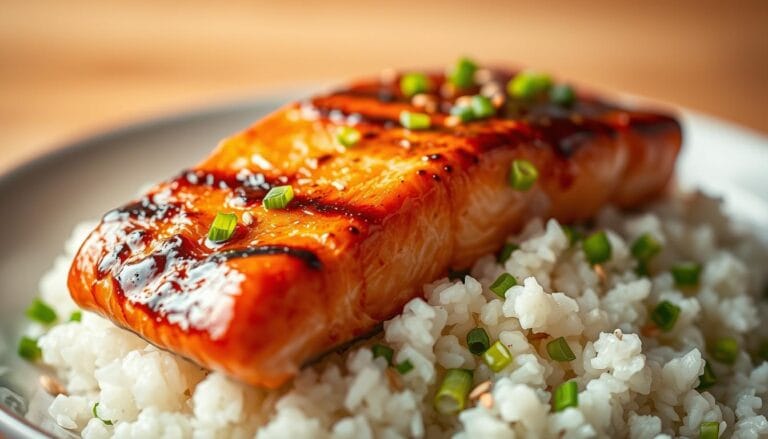
This brine works well before smoking salmon and can also improve moisture for baked or pan-seared recipes like honey soy salmon.
Why This Smoked Salmon Brine Works
This salmon brine recipe is designed to enhance flavor while protecting the fish’s natural texture during the smoking process. Salt gently penetrates the salmon through osmosis, helping the muscle fibers retain moisture instead of losing it to heat. This is what keeps smoked salmon tender rather than dry.
Sugar plays an equally important role in this smoked fish brine. It balances the saltiness, supports better smoke adhesion, and helps develop an appealing color as the salmon smokes. Together, salt and sugar create a controlled curing environment that seasons the fish evenly without overpowering its natural taste.
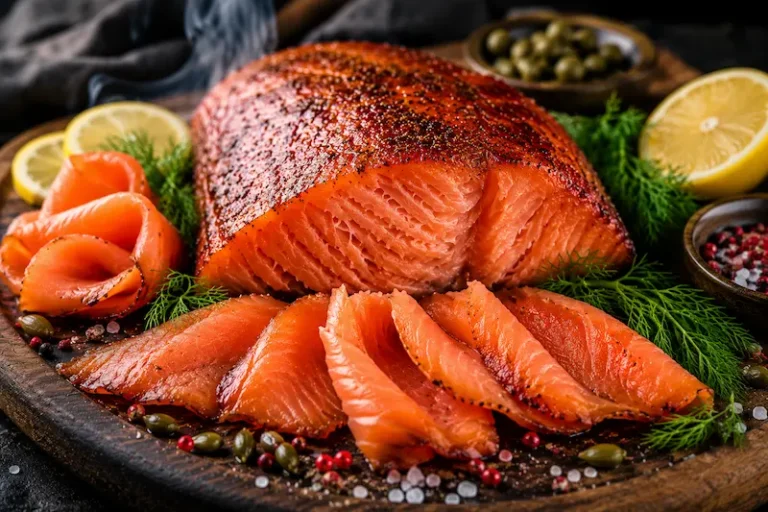
The result is smoked salmon that is flavorful, moist, and perfectly prepared for either hot or cold smoking.
Table of Contents
Understanding the Art of Brining Salmon
The salmon brining process is a delicate art — one that turns fresh salmon into something truly special. Brining isn’t just soaking fish in saltwater; it’s about control, balance, and flavor.It’s a technique that boosts flavor, texture, and protects the fish when brining salmon for smoking.
The Science of Osmosis in Brining
Learning to smoke salmon means understanding osmosis. The brining process is a molecular exchange. Salt and water enter the fish’s cells.
- Retain moisture during smoking
- Develop a more concentrated flavor profile
- Create a protective layer for better preservation
This process is essential when preparing a brine for smoked salmon, especially before hot or cold smoking.
Why Proper Brining Matters
A well-made smoked fish brine can turn good salmon into great salmon. Getting the salt level and brining time right makes all the difference in flavor and texture.
“Brining is an art form that transforms simple ingredients into a culinary masterpiece.” – Professional Seafood Chef
For more insights about healthy cooking foundations, you can explore the nutrition guidelines from the American Heart Association.
Basic Principles of Fish Brining
Successful salmon brining follows three key principles:
- Salt concentration creates flavor and helps preserve the fish
- Sugar balances saltiness while adding depth
- Time and temperature control how flavors are absorbed
Mastering these principles will make your smoked salmon stand out. It will be a dish that pleases the taste buds and shows off your cooking skills.
Essential Ingredients for Your Salmon Brine
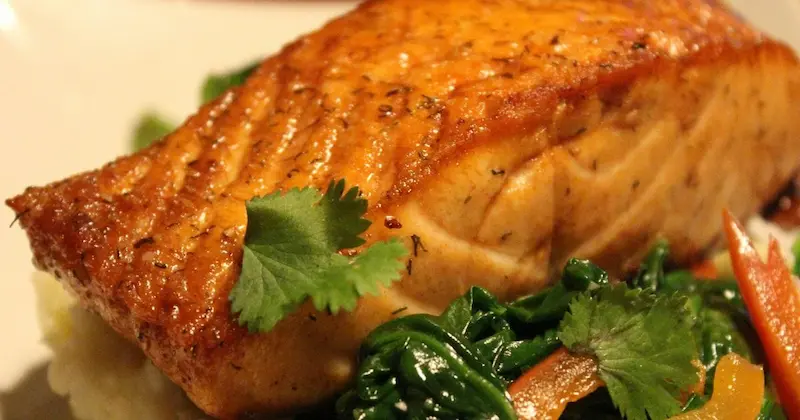
A great salmon brine recipe starts with the right ingredients. When they’re balanced properly, simple salmon turns into a true gourmet dish.
- Kosher salt or sea salt
- Brown or white sugar
- Cold water
- Fresh herbs
- Aromatic spices
Salt is one of the most important fish brining ingredients. It pulls moisture from the fish, adds flavor, and protects it while smoking. The type of salt you pick can change how your salmon tastes and feels.
| Ingredient | Purpose in Smoked Salmon Brine | Recommended Amount |
|---|---|---|
| Kosher Salt | Moisture extraction and flavor enhancement | 1/2 cup per quart of water |
| Brown Sugar | Balance saltiness and add subtle sweetness | 1/4 cup per quart of water |
| Black Pepper | Aromatic spice for depth of flavor | 1-2 teaspoons |
| Fresh Dill | Classic herb for salmon aromatics | 2-3 sprigs |
“The secret to an exceptional smoked salmon brine lies in balancing salt, sweetness, and aromatics.” – Professional Seafood Chef
Try adding garlic, bay leaves, or citrus zest to make your brine even better. Each ingredient adds to the flavor of your dish.
Once you’ve selected the right ingredients for your smoked salmon brine, the next crucial step is understanding how to balance them correctly. Even the best-quality salt and sugar won’t deliver optimal results without the proper salt-to-water ratio, which directly affects flavor, texture, and moisture retention.
Salt to Water Ratio for Salmon Brine
Mastering the salt to water ratio for salmon brine is all about precision. You need to get the salt-to-water ratio just right. This ensures your salmon is flavorful and perfectly textured.
To create a great salmon brine, you must understand salmon brine concentration and water quality. The right balance can turn a simple fish into a culinary masterpiece.
When it comes to measuring a salmon brine, ratios can be expressed in different ways depending on experience level.For home cooks, cup-based measurements are simple and reliable. For professionals, percentage-based brining offers greater precision and consistency.
A standard beginner-friendly ratio is 1/2 cup of kosher salt per quart of water, which equals 1 cup of salt per gallon of water. Both measurements represent the same concentration and can be used interchangeably.— a reliable salt to water ratio for salmon brine for home cooks.
For more advanced control, professional smokers use a 5–8% salt brine, calculated by weight. This method ensures consistent results regardless of batch size and salmon thickness.
Choosing the right salt for brining salmon is just as important as measuring it correctly. Different salts vary in crystal size and density, which directly impacts brine strength and consistency. To better understand which option is the best salt for salmon brine, trusted culinary references such as The Spruce Eats offer clear explanations backed by professional kitchen practices.
Salt Selection for Exceptional Brining
- Kosher salt: Most recommended for its clean flavor
- Sea salt: Provides mineral-rich depth
- Himalayan pink salt: Offers trace minerals
Measuring salt content accurately is crucial for consistent results. Professional chefs suggest using a weight-based measurement over volume.
| Salmon Weight | Brine Strength | Salt Amount (by weight) | Water Quantity |
|---|---|---|---|
| 1 lb (450 g) | 5% | 50 g salt | 1 quart (1 L) |
| 1 lb (450 g) | 7% | 70 g salt | 1 quart (1 L) |
| 2 lb (900 g) | 6% | 120 g salt | 2 quarts (2 L) |
Pro tip: Use filtered or spring water to avoid chlorine or mineral interference that could affect flavor.
“The secret to perfect smoked salmon is in the details of your brine.” – Professional Seafood Chef
Sweet and Savory Additions to Enhance Your Brine
Flavoring a salmon brine takes creativity and an understanding of how ingredients work together.By choosing the right sweet and savory additions, you can focus on customizing a salmon brine recipe to match your taste.
- Sweet Enhancers: Brown sugar, maple syrup, honey, molasses
- Savory Boosters: Fresh garlic, cracked black peppercorns, dried herbs, citrus zest
| Ingredient Category | Flavor Impact | Recommended Quantity |
|---|---|---|
| Brown Sugar | Mild Sweetness | 2-3 tablespoons per quart |
| Garlic | Robust Savory | 2-3 minced cloves |
| Citrus Zest | Bright Freshness | 1-2 teaspoons |
“The art of brining is about creating harmony between ingredients” – Professional Salmon Smokers Association
Common Mistakes When Brining Salmon
Many mistakes happen when making a wet brine for smoked salmon, especially with timing and salt strength.
Even a simple brine can go wrong if a few details are overlooked. Avoid these common mistakes to ensure the best results:
- Using too much salt
Overly strong brine can firm up the salmon too much, giving it a cured texture instead of a tender one. - Brining for too long
Extended brining times can make the fish overly salty and dense. Thicker fillets need more time, but moderation is key. - Skipping the rinse after brining
A quick rinse removes excess surface salt and helps balance the final flavor. - Not drying the salmon before smoking
Allowing the salmon to air-dry forms a pellicle, which improves smoke absorption and overall texture.
Paying attention to these steps makes a noticeable difference in the final result.
Step-by-Step Guide to Making a Salmon Brine
This step-by-step salmon brining method requires precision and care, making it essential for both home cooks and experienced chefs.
Preparing Your Workspace
- Large non-reactive container
- Kosher salt
- Brown sugar
- Fresh water
- Measuring tools
- Whisk or mixing spoon
Mixing Your Brine Solution
| Ingredient | Quantity | Purpose |
|---|---|---|
| Kosher Salt | 1 cup | Seasoning and preservation |
| Brown Sugar | 1/2 cup | Balance salt and add complexity |
| Water | 1 gallon | Dissolve and distribute ingredients |
When wet brining salmon, alwaysUse cool or room temperature water. Stir until all ingredients dissolve completely. Avoid hot water to prevent pre-cooking the fish.
“The key to exceptional smoked salmon is a well-balanced brine and careful preparation.” – Professional Seafood Chef
Optimal Brining Times for Different Salmon Cuts
Knowing how long to brine salmon for smoking is essential to achieve the right balance between flavor, texture, and moisture retention.
| Salmon Cut | Recommended Brining Time | Thickness Range |
|---|---|---|
| Salmon Fillets | 2-4 hours | 0.5-1 inch thick |
| Salmon Steaks | 4-6 hours | 1-1.5 inches thick |
| Whole Salmon | 8-12 hours | 2-3 inches thick |
Proper salmon brining time depends on fillet thickness, cut type, and whether the salmon will be hot-smoked or cold-smoked.
“Patience and precision are the secrets to perfectly brined salmon.” – Professional Smokemaster
Temperature Guidelines for Smoking Brined Salmon
This comparison helps clarify the difference between dry brine vs wet brine salmon, making it easier to choose the right method based on texture, flavor, and smoking style.
Achieving the best texture and flavor when smoking salmon requires precise temperature management. Two main methods:
| Smoking Method | Temperature Range | Smoking Duration | Flavor Profile |
|---|---|---|---|
| Cold Smoking | 70-90°F | 12-24 hours | Delicate, subtle smoke |
| Hot Smoking | 120-180°F | 2-6 hours | Rich, intense smoke |
Pro tip: Always check the salmon’s internal temperature to ensure safety.
Common Brining Mistakes to Avoid
- Over-brining — the most common mistake — makes salmon overly salty and tough.
- Wrong salt type: use kosher or sea salt, not iodized
- Improper temperature: keep it cold to avoid bacteria
- Rinse thoroughly after brining
“The difference between good and great smoked salmon lies in the details of your brining technique.” – Professional Seafood Smokers Association
Storage and Safety Tips for Brined Salmon
| Storage Method | Estimated Shelf Life |
|---|---|
| Refrigerated (sealed) | 5-7 days |
| Vacuum-sealed | 2-3 weeks |
| Frozen | 2-3 months |
Pro tip: If it smells off or looks odd — discard immediately.
Flavor Variations and Regional Recipes
| Region | Signature Brine Ingredient | Flavor Profile |
|---|---|---|
| Scandinavia | Dill and Aquavit | Herbal and Sharp |
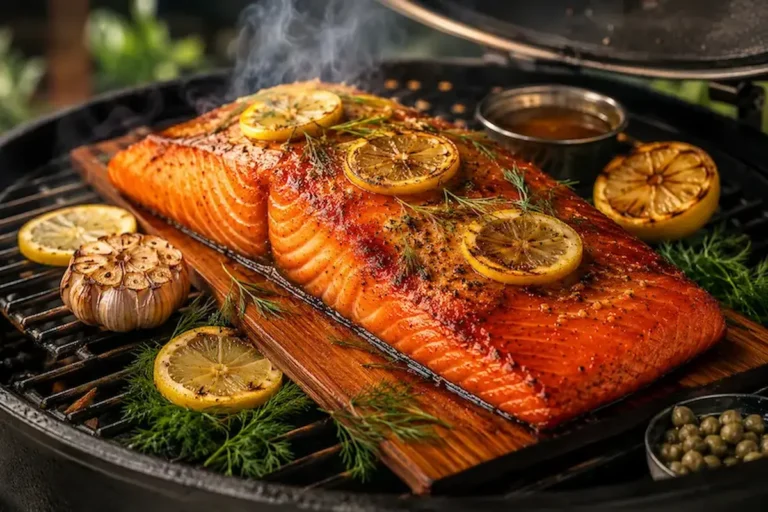
| Pacific Northwest | Cedar and Maple | Woody and Sweet |
| Alaska | Wild Berries and Juniper | Tart and Aromatic |
Conclusion
Making perfect smoked salmon takes patience, skill, and knowing how to brine. This guide gives you everything you need to turn simple salmon into a gourmet dish.
Adjusting the Brine for Different Types of Salmon
Not all salmon behaves the same during brining. Small adjustments can improve your results:
- Wild salmon is leaner and benefits from shorter brining times to prevent excessive firmness.
- Farm-raised salmon contains more natural fat and can handle slightly longer brining without drying out.
- Thicker fillets may require additional time for even seasoning, while thinner cuts should be brined more briefly.
- Hot-smoked salmon generally needs less brining than cold-smoked salmon due to the higher cooking temperature.
Tailoring the brine to your salmon ensures consistent, high-quality results every time.
Wet Brine vs Dry Brine for Smoked Salmon
Both wet and dry brining methods can produce excellent smoked salmon, but they serve different purposes.
Wet brine uses water, salt, and sugar to gently season the salmon and maintain moisture. It is ideal for beginners and works especially well for hot-smoked salmon, where moisture retention is critical.
Dry brine relies on a salt-and-sugar mixture applied directly to the fish. This method draws out more moisture and creates a firmer texture, making it popular for cold-smoked or gravlax-style preparations.
If you prefer juicy, mild smoked salmon, a wet brine is usually the better choice. For a denser texture and more intense seasoning, dry brining may be preferred.
FAQ
- How long should I brine salmon for smoking?
- Salmon brining time depends on thickness and cut. Most fillets should be brined for 8 to 12 hours, while thicker cuts or whole sides may require up to 12 hours. Proper timing helps prevent over-curing while keeping the salmon tender and flavorful.
- What is the best salt to use for a salmon brine?
- The best salt for salmon brine is kosher salt or non-iodized sea salt. These salts dissolve evenly and allow better flavor penetration. Avoid iodized salt, as it can create a harsh taste and uneven curing.
- Should I rinse salmon after brining?
- Yes. Rinsing the salmon after brining removes excess surface salt and helps balance flavor. After rinsing, pat the fish dry and allow it to air-dry to form a pellicle, which improves smoke absorption.
- What is the best wood for smoking salmon?
- Alder, apple, cherry, and maple are the best woods for smoking salmon. These mild woods enhance the fish’s natural flavor without overpowering it, making them ideal for both hot and cold smoking.
- Can I use a dry brine instead of a wet brine for smoked salmon?
- Yes. Dry brining creates a firmer texture and more concentrated flavor, making it ideal for cold-smoked salmon or gravlax. Wet brining is better for hot-smoked salmon when moisture retention is important.
- Does brining time change for wild vs farm-raised salmon?
- Absolutely. Wild salmon is leaner and should be brined for a shorter time to avoid becoming too firm. Farm-raised salmon contains more fat and can tolerate slightly longer brining, resulting in even seasoning and better texture.
We Value Your Opinion!
Tell us how this recipe worked for you — your voice counts.
There are no reviews yet. Be the first one to write one.