Top Recipes for Smoked Turkey Breast You’ll Love
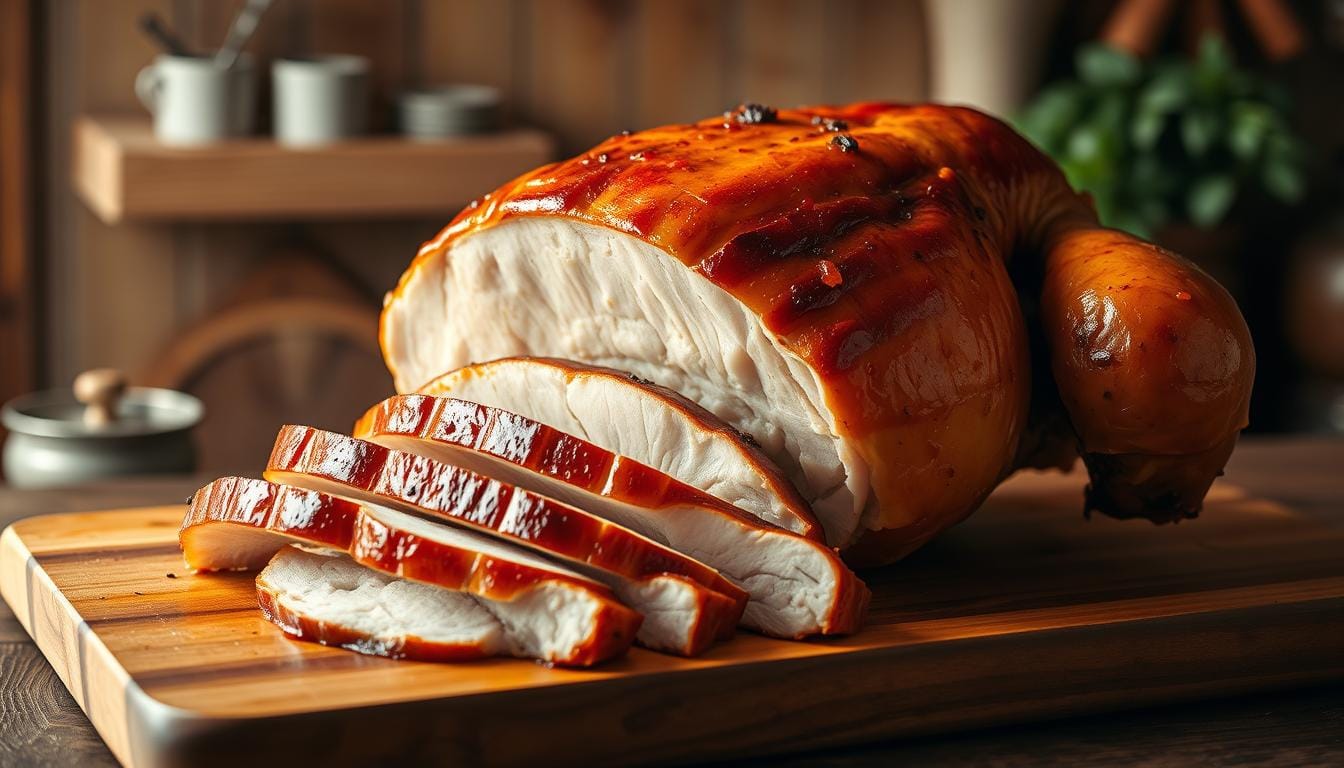
You’ll get a clear, quick guide for turning a single smoked turkey breast into a juicy, full-flavor main dish. It’s an ideal option when you want rich smoke, less effort than a whole bird, and reliable results whether you use an electric smoker turkey breast setup or a pellet grill.
Simple salt, coarse black pepper, and a mid-cook butter wrap help lock in moisture while creating rich drippings for gravy. This method cooks faster, works with any brine for smoking turkey breast, and fits weeknights, holidays, and family gatherings.
You’ll explore three standout recipes for smoked turkey breast — a pepper-crusted Texas-style version, a butter-wrapped pellet smoker method, and an easy, no-brine electric smoker turkey breast approach. The post also walks you through essential tools, timing, ideal smoked turkey breast temp, and serving ideas.
Leftovers are another win: a well-cooked smoked turkey breast reheats perfectly for sandwiches, salads, casseroles, or soups, turning one cook into multiple meals with very little extra work.
Table of Contents
Why you’ll love smoked turkey breast for holidays and weeknights
Lean, simple, and reliably delicious, turkey breast makes hosting easier. It’s widely available and needs only salt and coarse black pepper to shine.
The cut cooks evenly, slices cleanly, and avoids the white-versus-dark-meat timing problem that comes with a whole bird.
Smoking this meat frees the oven so you can finish sides without juggling pans. It also reheats well, so leftovers stretch into lunches and quick dinners.
- You’ll appreciate how the mild flesh picks up smoke while staying tender with minimal seasoning.
- Perfect for small gatherings—get holiday character without the stress of a big roast.
- Even cooking and fast slicing make it a true weeknight winner when time is tight.
- The focused cut reduces guesswork, helping you hit ideal doneness every time.
- It’s budget-friendly, high in protein, and lighter than many fattier grill favorites.
Recipes for smoked turkey breast: three delicious ways to smoke it
Choose one of three tested smoking methods to match your time and gear: classic pepper-forward, a butter-wrapped pellet finish, or a simple Traeger no-brine approach. Each method highlights smoke and texture while keeping the process straightforward.
Texas-style pepper-crusted option
Season with kosher salt and coarse 16-mesh black pepper to showcase the meat. Smoke at 225–275°F until the internal temp reaches about 148°F, then wrap in foil with butter.
Pull the breast at 158–160°F to allow carryover to reach 165°F. Use post oak, pecan, apple, or cherry wood for a bold, balanced smoke.
Butter-wrapped pellet smoker method
Preheat the pellet smoker to 275°F and run indirect heat with a water or broth pan underneath. Smoke the breast to 130–135°F, then wrap tightly in foil with melted butter.
Return to the grill and finish to 160°F, then rest 10–20 minutes. The foil and butter trap drippings and create ultra-juicy slices.
Easy no-brine Traeger approach
Oil the surface, apply a dry rub, and smoke at 225°F for about 1.5 hours. Baste with butter, then raise heat to 350°F to develop a mahogany skin until the internal temp hits 165°F.
This technique is ideal for a smaller boneless turkey breast; larger birds benefit from brining or injection to avoid dryness.
“Low smoke uptake, a butter wrap to protect moisture, then a finish at higher heat is a reliable path to juicy slices.”
- Tip: Add a touch of brown sugar to the rub if you want a subtle crust balance.
- Woods: Post oak, pecan, apple, or cherry are top choices.
- Skin: Remove it for better seasoning contact on long, low cooks.
Ingredients and seasoning guide for maximum flavor
Good flavor starts with simple ingredients and a clear plan. Begin with a base mix of kosher salt and coarse 16-mesh black pepper to form a classic rub crust.
Optional aromatics like paprika, garlic and onion powders, thyme, rosemary, and a pinch of brown sugar add balance without hiding smoke. Use about a tablespoon of rub per pound as a starting point and adjust to taste.
Consider a dry brine overnight to season deeply and help retain moisture. If you skip brine, wrap the roast with butter around 148°F or baste in the last hour to protect the lean meat.
Butter baste vs. compound butter
Basting with melted butter adds immediate fat and browning. A compound butter gives targeted flavor when placed under the skin or over slices at rest.
- Note: Cut back on added salt if you buy pre-brined roasts to avoid over-seasoning.
- Keep spice blends modest so smoke and natural meat flavor remain the star.
Smoker setup, wood choices, and essential tools
Dialing in steady indirect heat and clean smoke makes the cook predictable and the meat tender. Run your smoker between 225–275°F depending on the unit you use.
Pellet smokers often run lower to boost smoke flavor; charcoal tends to sit nearer 275°F for faster recovery. Position the breast away from direct heat and keep vents set for steady airflow.
Wood and smoke choices
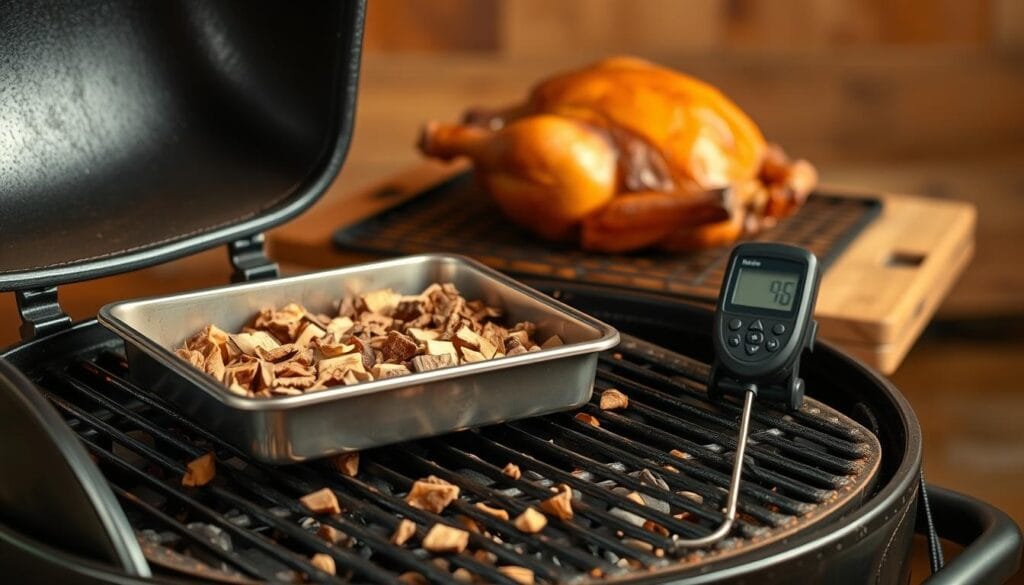
Pick post oak for classic, savory notes. Choose pecan, apple, or cherry when you want sweeter, fruit-forward smoke. Use small, clean wood chunks to avoid bitter smoke.
Must-have gear
Use a remote probe thermometer to track internal temp without opening the lid. Add a water pan to stabilize humidity and catch drippings.
“Place the roast off the direct flame, monitor with a trustworthy probe, and wrap in foil at the right moment to lock juices.”
| Item | Purpose | Recommended | Tip |
|---|---|---|---|
| Thermometer | Track internal temp remotely | Remote probe | Place probe in thickest part |
| Water pan | Stabilize humidity | Aluminum pan with water or broth | Set under grates to catch drips |
| Foil | Wrap to protect lean meat | Heavy-duty foil | Wrap at 148–160°F to save juices |
| Grill grates/drip pans | Even heat & easy cleanup | Adjustable grates, disposable pans | Position to balance airflow |
Smoking temperatures, internal temperature, and timing
Steady smoker temps plus a reliable probe beat guesswork when you want consistent results. Set your unit between 225–275°F and treat the dial as your baseline, not the final word.
Target temps matter more than the clock. Aim to monitor internal temperature with a probe placed in the thickest part so you don’t under- or overcook the meat.
Target temps and when to pull
You’ll smoke in the 225–275°F range and plan to pull the roast before it hits 165°F. Pulling around 158–160°F lets carryover push the internal temperature into the safe zone while keeping juices.
Why carryover matters
Carryover raises the internal temp several degrees during rest. That small rise prevents overcooking while reaching 165°F without drying the lean meat.
Approximate time by weight
As a rule, a ~2 lb boneless roast at 250°F will take about 2–3 hours to reach ~157°F before a short rest. Minutes per pound will vary by smoker, ambient conditions, and roast size.
| Smoker Temp | Approx. Time | Pull Temp | Finish |
|---|---|---|---|
| 225°F | 2.5–3.5 hours | 158–160°F | Rest to 165°F |
| 250°F | 2–3 hours | 157–160°F | Wrap at ~148°F, finish to 160°F then rest |
| 275°F | 1.5–2.5 hours | 158–160°F | Option: raise heat after foil to speed finish |
“Always cook to temperature, not time, and keep lid openings brief to hold steady heat.”
Step-by-step: from prep to perfectly juicy slices
Follow a clear timeline from fridge to carving board so each slice stays tender and well-seasoned. This short plan keeps you on track and reduces guesswork during the cook.
Prep and season
Pat the roast dry to help the rub stick and improve browning. Apply kosher salt and coarse black pepper, working the mix under any flaps and across exposed muscle.
Optional: dry-brine overnight to deepen flavor and help retain moisture on cook day.
Smoke low and slow
Set up for indirect heat and place the meat away from direct flame. Add post oak, pecan, apple, or cherry for a clean smoke profile.
Use a probe thermometer in the thickest part so you can track progress without lifting the lid.
Wrap and butter baste
When the internal temp nears 148°F, wrap tightly in heavy-duty foil with melted butter. Return to the smoker and finish to 158–160°F to allow safe carryover.
Rest, slice, and save the drippings
Let rest 10–20 minutes so juices redistribute and the carryover reaches a safe finish. Slice against the grain for the most tender pieces.
“Reserve the buttery drippings and whisk with a cornstarch slurry to make a quick, glossy gravy.”
- Trim the skin if you want maximum seasoning contact.
- Keep a steady heat and brief lid openings to maintain a stable cook.
- Save pan juices; they turn into easy gravy and boost leftovers.
Boneless vs. bone-in turkey breast: what you should choose
Deciding between a boneless roast and a bone-in cut changes your prep, cook time, and the odds of ending with juicy slices.
Boneless turkey breast often wins if you want a fast, predictable cook. Many boneless roasts arrive pre-brined and netted. They heat evenly, slice cleanly, and stay moist with a simple butter baste.
Bone-in pieces carry classic flavor and a bit more fat around the bone. They need longer cooks, so you should plan a liquid brine or injection to protect moisture during extended smoke sessions.
Removing the skin helps low-and-slow cooks by avoiding chewy patches and letting seasoning reach the meat. That trick boosts flavor contact and cuts prep time.
- Choose boneless if you want ease, speed, and steady results.
- Choose bone-in if you want deeper flavor and don’t mind extra brine or time.
“Match your cut to your schedule, yield needs, and comfort with brining — each choice has clear trade-offs.”
Pro tips to nail flavor, texture, and moisture every time
A few focused habits—accurate probes, timely wrapping, and the right wood—deliver repeatable success.
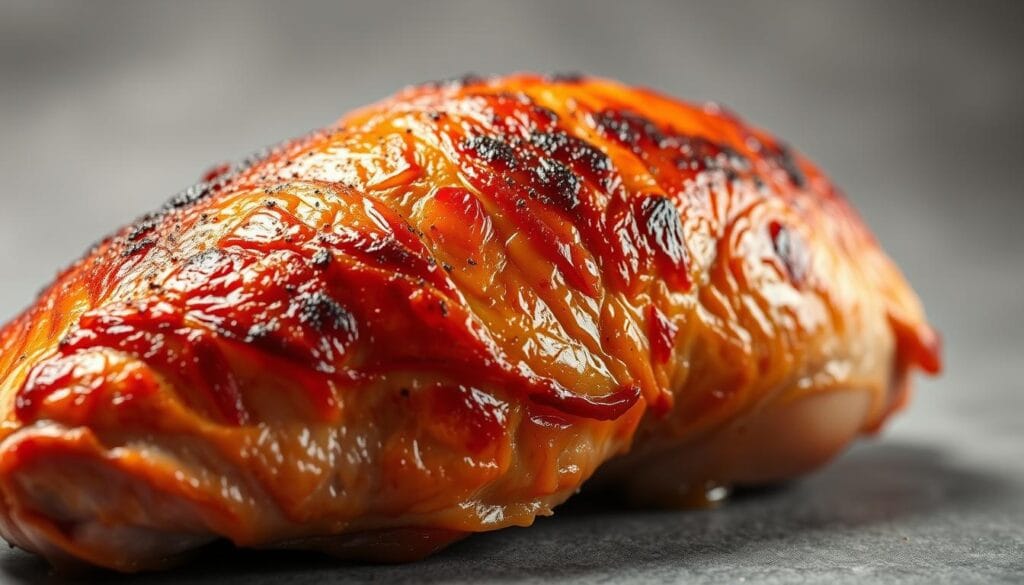
Trust your thermometer. Use a remote probe and track internal temperature so you avoid dry meat and stay safe. Pull the roast 5–7°F shy of 165°F to let carryover finish the job.
Wrap at about 148°F with melted butter to lock in moisture. A water pan under the grates keeps humidity steady and catches drippings you can save for gravy.
Choose wood that complements the meat: post oak, pecan, apple, or cherry. Keep airflow clean to prevent bitter smoke and manage heat so the skin browns without scorching.
- Apply an even rub and modest salt, especially on larger roasts.
- Use a pellet tube or lower pellet settings to increase smoke if needed.
- Trim excess fat or remove skin for more even low-and-slow results.
- Log temps, time, and wood so your turkey breast recipe repeats well.
| Tip | Why it matters | Quick action |
|---|---|---|
| Remote probe | Prevents guessing and dry slices | Insert in thickest part before cooking |
| Wrap at 148°F | Preserves moisture in lean meat | Use heavy foil + butter |
| Water pan | Stabilizes humidity and collects drips | Place under grates with broth or water |
| Wood choice | Balances smoke without overpowering | Pick post oak, pecan, apple, or cherry |
“Small steps—accurate temps, timely wrap, and clean smoke—yield consistently juicy slices.”
Serving ideas and side dishes that pair beautifully
Build a plate that balances smoky meat with creamy, crunchy, and bright elements. Choose sides that soak up drippings and lift the main with fresh contrast.
Classic sides
Serve creamy mashed potatoes that catch a quick pan gravy. Add buttered green beans and a sausage stuffing loaded with veggies.
These staples create comforting texture and let the meat’s savory notes shine.
Fresh and bright
Brighten the table with an arugula salad tossed in lemon vinaigrette. Roast carrots or sweet potatoes until caramelized to add color and natural sweetness.
Acidity and roast help balance rich slices and provide variety in every bite.
Leftovers made new
Plan rolls, condiments, and greens so next-day sandwiches or salads assemble in minutes. Extra slices turn into hearty casseroles, soups, and pasta bakes.
- You’ll build a plate with creamy mashed potatoes that soak up savory drippings or quick pan gravy.
- You’ll add crisp-tender green beans and classic stuffing to complement the smoke-kissed slices.
- You’ll brighten the meal with a lemony arugula salad and roasted carrots or sweet potatoes.
- You’ll plan for leftovers by prepping rolls, greens, and condiments for next-day sandwiches and salads.
- You’ll transform extra meat into comforting casseroles, soups, and pasta bakes in minutes.
- You’ll balance flavor and texture—smoky, savory meat with creamy, crunchy, and fresh sides.
- You’ll tailor your breast recipe portions so you have just the right amount for the table and the fridge.
- You’ll keep plating simple, letting the color and aroma lead the meal.
Storage, freezing, and reheating without drying out
Treat leftover meat like any lean roast: cool quickly, seal tight, and rewarm with moisture so slices stay tender.
Short-term storage: Chill cooled slices in airtight containers and refrigerate for up to 4-5 days. Prompt chilling reduces bacterial growth and keeps this protein safe.
Freeze smart to save time
Portion slices into freezer bags or vacuum-sealed packs. Label with the date so you can pull meals in minutes on busy nights.
Reheat gently for best moisture
Use short microwave bursts of 30–60 seconds, or warm in a skillet with a splash of drippings or broth. When using the oven, cover loosely with foil to prevent a dry surface.
- You’ll chill leftovers promptly and keep them for up to 4-5 days.
- You’ll portion slices for the freezer so weeknight meals are ready in minimal time.
- You’ll reheat in short bursts or with a little liquid to protect moisture.
- You’ll aim to rewarm without overshooting internal temperature and then let rest briefly.
- You’ll keep a tablespoon or two of saved drippings on hand to add instant flavor and juiciness.
Key Takeaways
- One breast gives fast, reliable smoked flavor without the stress of a whole bird.
- Simple seasoning highlights the meat while butter and carryover cooking protect moisture.
- Three practical methods help you match smoker style to your schedule.
- Tools and timing matter more than complex prep.
- Leftovers turn into quick lunches and easy family dinners.
Conclusion
A steady smoker temp, timely butter wrap, and a reliable probe are the small moves that yield big results.
Aim for 225–275°F, wrap with butter at about 148°F, pull around 158–160°F, and rest 10–20 minutes so carryover brings the meat to a safe finish. Use post oak, pecan, apple, or cherry and a water pan to steady humidity while you watch temperature and time.
Choose boneless turkey for ease or brine larger bone-in roasts. Save drippings for a quick gravy and plan sides so the main and the rest of the meal finish together. This method works perfectly for an electric smoker turkey breast.
You’ve learned dependable paths to one great turkey breast recipe you can repeat. Log temps, wood, and hours to make each cook more consistent.
FAQ
How do you know when the turkey breast is safely cooked?
Should you brine a boneless turkey breast before smoking?
What smoking temperature gives the best texture and flavor?
Which woods pair best with turkey when smoking?
Do you wrap turkey breast during smoking, and when should you do it?
How long does a boneless turkey roast usually take to smoke?
What rubs and seasonings should I use for the best flavor?
Can you smoke a turkey breast on a pellet grill or gas grill?
How should you rest and slice smoked turkey for the juiciest results?
What’s the best way to reheat smoked turkey without drying it out?
How long can you store smoked turkey in the refrigerator or freezer?
Is it better to use bone-in or boneless turkey breast when smoking?
What tools are essential to smoke turkey successfully?
How can you get a flavorful crust without drying the meat?
We Value Your Opinion!
Tell us how this recipe worked for you — your voice counts.
There are no reviews yet. Be the first one to write one.