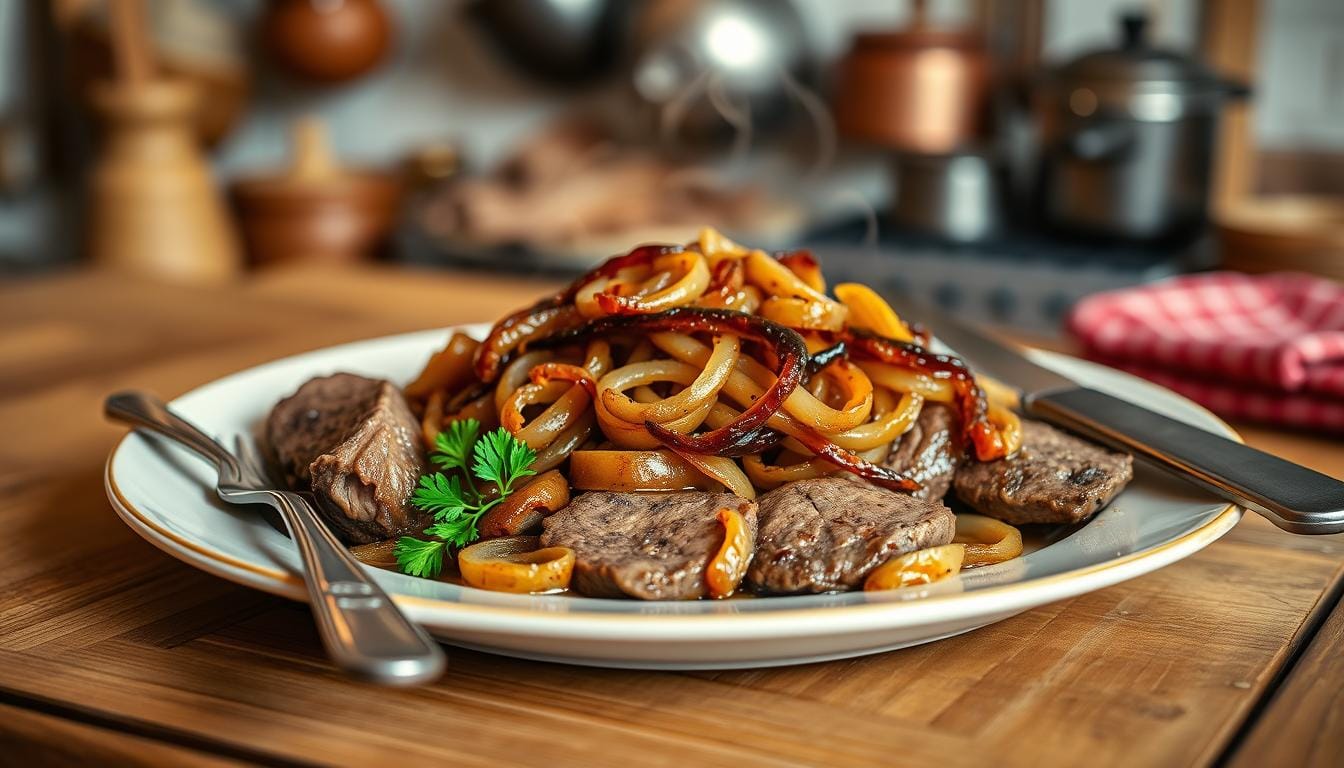
Easy Liver and Onions Recipe (Classic Old-Fashioned Dinner)
Some meals take you straight back home. The rich aroma of caramelized onions sizzling in butter, the comforting taste of a hearty, old-fashioned dinner — this liver and onions recipe is pure American comfort food.
If you’ve ever wondered how to make liver tender, flavorful, and never bitter, you’re in the right place. This easy liver and onions recipe shows you exactly how to cook it perfectly every time.
Whether you prefer a quick pan-fried version or a rich liver and onions with gravy, this guide will walk you through simple techniques, pro tips, and delicious variations anyone can master.
If you enjoy quick and flavorful dinners, you might also love this Easy Honey Soy Salmon recipe, perfect for busy weeknights.
Table of Contents
Why You’ll Love This Liver and Onions Recipe
This liver and onions recipe has been a staple in American kitchens for generations. From Southern family dinners to classic comfort food plates, beef liver and onions is a recipe full of tradition and flavor.
Classic American Comfort Food
There’s something incredibly satisfying about tender liver topped with sweet, caramelized onions. It’s simple, hearty, and deeply nostalgic — the kind of meal that never goes out of style.
Nutritious and Budget-Friendly
Liver is one of the most nutrient-dense foods you can eat. It’s packed with:
- Iron
- Vitamin A
- B vitamins
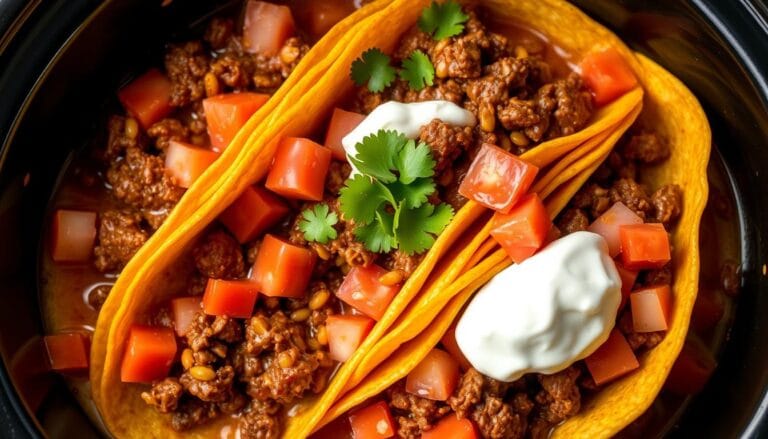
- High-quality protein Plus, it’s very affordable, making it perfect for budget-friendly meals. Looking for more budget-friendly meals? Try these Easy Crock Pot Tacos for another simple and satisfying dinner.
Surprisingly Delicious (Even for Beginners)
Not sure about liver? You’re not alone.
The secret is in the technique:
- Soaking in milk reduces bitterness
- Proper searing keeps it tender
- Adding gravy or bacon boosts flavor
Best Liver to Use for the Best Liver and Onions Recipe
Choosing the right type of liver makes a huge difference.
- Beef liver → rich, classic flavor
- Calf liver → milder and more tender (best for beginners)
- Pork liver → stronger, best for slow cooking
- Lamb liver → delicate and slightly sweet Tip: If you’re new, start with calf liver for the best experience.
Why you should try this classic liver and onions recipe
This dish comes from home kitchens across the United States and beyond. It’s a staple on Southern family tables and in school-dinner memories. It’s also a recipe passed down by grandmothers. This long history makes the liver and onions recipe comforting and familiar.
Comfort food with history
Cooking this meal connects you to a tradition of simple, hearty food. Pan-seared liver with sweet caramelized onions brings back slow Sunday afternoons and cozy weeknight dinners. Many families stick to a tried-and-true method that keeps the flavors honest and the dish memorable.
Nutrition and value — iron, protein, budget-friendly
Liver is one of the most nutrient-dense proteins you can buy, according to USDA FoodData Central. A small portion gives you iron, vitamin A, and B vitamins, along with high-quality protein. This makes a beef liver and onions dinner a smart choice for nutrition without a big grocery bill.
Be careful of calories and cholesterol. Some recipes can be high in calories, depending on butter, bacon, or thick gravy. Balance it with vegetables or a light starch to keep the meal flavorful and sensible for regular menus.
Who will like this dish and how it fits modern tastes
If you enjoy savory, nostalgic food, this dish will appeal to you. Fans of traditional Southern cooking and anyone looking for an economical, nutrient-rich protein will find value in it. Even those who think they don’t like offal might change their minds after trying milk-soaked or well-seasoned liver.
Modern adaptations make the dish more welcoming. Choose a milder cut, soak the liver in milk or buttermilk, or add bacon and a pan gravy. A thoughtful preparation turns a classic into a crowd-pleaser, whether it’s a simple beef liver and onions plate or a richer liver and onions with gravy recipe.
| Reason to Try | Benefit | Practical Tip |
|---|---|---|
| Heritage flavor | Comforting, familiar taste | Follow a family-style pan-sear and rest method |
| High nutrition | Iron, vitamin A, B vitamins, protein | Serve with greens or mashed potatoes for balance |
| Budget-friendly | Small portion delivers strong nutrition | Stretch with onions, gravy, and hearty sides |
| Adaptable flavor | Works with bacon, stock, or milk soak | Make a liver and onions with gravy recipe to soften taste |
| Approachable for skeptics | Milk soak and seasoning reduce gamey notes | Try calf liver for a milder entry point |
Choosing the best liver for your recipe
Choosing the right liver is key for flavor, texture, and cooking method. Read labels and ask your butcher for advice. Match the cut to your dish for a better result.
Beef liver versus calf liver versus pork and lamb — flavor and texture differences
Beef liver has a bold, sweet taste that’s great with strong sauces. It stays firm during long cooking. Calf liver is finer and milder, perfect for quick cooking.
Pork liver is rich and gamey, ideal for slow-cooked dishes. Lamb liver is subtle and sweet, best seared quickly to keep it tender.
When to choose calf liver recipe variations for milder flavor
Go for calf liver for a milder taste. It’s great with buttermilk soaking and short pan-frying. This way, the inside stays tender.
If you want to make beef liver milder, try using calf liver. It’s a good substitute for a lighter taste.
How freshness, color, and smell guide your selection
Check the color and texture first. Fresh beef liver is deep reddish-brown, while calf liver is lighter. It should be moist and firm, not slimy.
A faint iron scent is okay, but strong metallic or sour smells mean it’s not fresh. Ask your butcher to trim sinew and slice thin for even cooking.
INGREDIENTS
- 1 lb beef liver (or calf liver)
- 2 large onions, sliced
- 3 tbsp butter or oil
- 1 cup beef stock
- 2 tbsp flour
- Salt and black pepper
- Optional: bacon, garlic powder, paprika
Essential ingredients and pantry swaps
To make liver and onions well, start with a simple pantry list. You’ll need caramelized onions, butter or a flavorful fat, stock, and a bit of flour. These items make the dish’s base and gravy, which balance the liver’s strong taste.
Onions, butter, stock, and flour: Slice onions thin and cook them in salted butter or bacon drippings until they’re deep gold. Use flour to lightly coat the liver for searing or to thicken the gravy. Beef stock adds richness, balancing the liver’s flavor.
Optional enhancers: Adding crisp bacon gives smoky flavor and texture. A teaspoon of tomato paste or Marmite boosts umami when braising. Fresh herbs like thyme or parsley add freshness. For spice, try smoked paprika or cayenne pepper.
Substitutions for stock and dairy: For a milder taste, use chicken or vegetable stock instead of beef. Milk or buttermilk can tenderize the liver. For frying, use olive oil or vegetable oil instead of butter.
Have your gravy ingredients ready: fat, flour, and stock. This way, you can quickly finish your liver and onions with a rich, balanced sauce.
Tools and equipment you’ll need
Before you start cooking, gather a few reliable tools. The right pans and utensils make a big difference. They help you make beef liver tender and flavorful.
You’ll save time and get better results with good equipment. It’s all about the tools you use.
Best pans for even searing and gravy-making
Choose a heavy skillet for searing and fond development. Cast iron is great because it retains heat well and gives a browned crust. If you prefer a lighter pan, heavy stainless steel is a good choice.
For a 1–2 pound batch, a 12-inch (28 cm) frying pan is perfect. It’s big enough to handle the meat evenly.
For braising or oven finishes, use an ovenproof skillet or a Dutch oven. These vessels keep moisture in and let you finish the dish without moving it to another pot.
Thermometers, bowls for soaking, and oven/Instant Pot/slow cooker notes
Use an instant-read thermometer to check doneness. Many cooks aim for around 160°F for fully cooked liver. Others prefer a bit of pink for more tenderness.
Shallow bowls are great for soaking in milk or buttermilk and for seasoned flour dredging. If you prefer hands-off methods, the oven, Instant Pot, or slow cooker are good options. Oven-braise at 300°F (150°C) for about 60 minutes for deep gravy and tender texture.
For Instant Pot liver and onions, sear first, then pressure-cook on high for about 5 minutes with a 10-minute natural release. In a slow cooker, sear and cook on low about 4 hours or high about 2 hours.
Tips for keeping cooked liver warm between batches
When cooking in batches, transfer pieces to a wire-rack–fitted sheet pan. Keep the pan in a 200°F oven so the liver stays warm without steaming and turning soggy. A sheet pan and wire rack protect crust and maintain texture while you finish the rest of the meal.
| Tool | Purpose | Recommendation |
|---|---|---|
| 12-inch cast iron skillet | Even searing, fond for gravy | Lodge cast iron or similar heavy skillet |
| Ovenproof Dutch oven | Braising, oven finishes | Le Creuset-style or enameled cast iron |
| Instant-read thermometer | Check internal temperature | ThermoWorks or equivalent digital probe |
| Shallow bowls | Milk soak and flour dredge | Several glass or stainless bowls |
| Sheet pan with wire rack | Keep cooked liver warm and crisp | Half-sheet pan with cooling rack |
| Instant Pot or slow cooker | Hands-off cooking options | Use for Instant Pot liver and onions or low-and-slow braises |
How to prepare liver for cooking: trimming and soaking
Preparing liver is key to a tender dish. Start with clean tools and a sharp knife. Trimming and soaking are quick steps that greatly improve texture and taste.
Trimming and thin-slicing
Remove membranes, veins, and sinew with a knife. Chill the liver to make it firmer. Slice it 1/4 inch thick for pan-frying.
Milk or buttermilk soak: timing and method
Soaking softens the liver’s taste. Use milk or buttermilk, or a mix with salt. Soak for at least an hour or even overnight for a milder taste.
Patting dry and handling before cooking
Drain and pat dry the slices with paper towels. This helps them brown better. Avoid touching the slices too much to keep them moist.
When you can skip the soak
For a stronger iron taste, skip soaking. Quick searing in a hot pan works well. Braised pork liver also skips soaking for a softer taste.
Practical notes for success
For a milder taste, use a longer soak and thinner slices. For bold flavor, skip soaking and sear fast. Always trim, slice thin, and dry before cooking for the best results.
HOW TO MAKE LIVER AND ONIONS (STEP-BY-STEP)
1. Soak the liver (optional but recommended)
Soak in milk or buttermilk for 1–4 hours to reduce bitterness.
2. Caramelize the onions
Cook sliced onions in butter over medium heat for 10–15 minutes until golden and sweet.
3. Prepare the liver
Pat dry, slice thin, and lightly coat with seasoned flour.
4. Sear the liver
Cook in a hot skillet for 3–4 minutes per side.
5. Make the gravy (optional but recommended)
- Add butter + flour → make a roux
- Add beef stock
- Simmer until thick
Return liver and onions to the pan and coat with sauce.
Step-by-step pan-fried liver and onions method
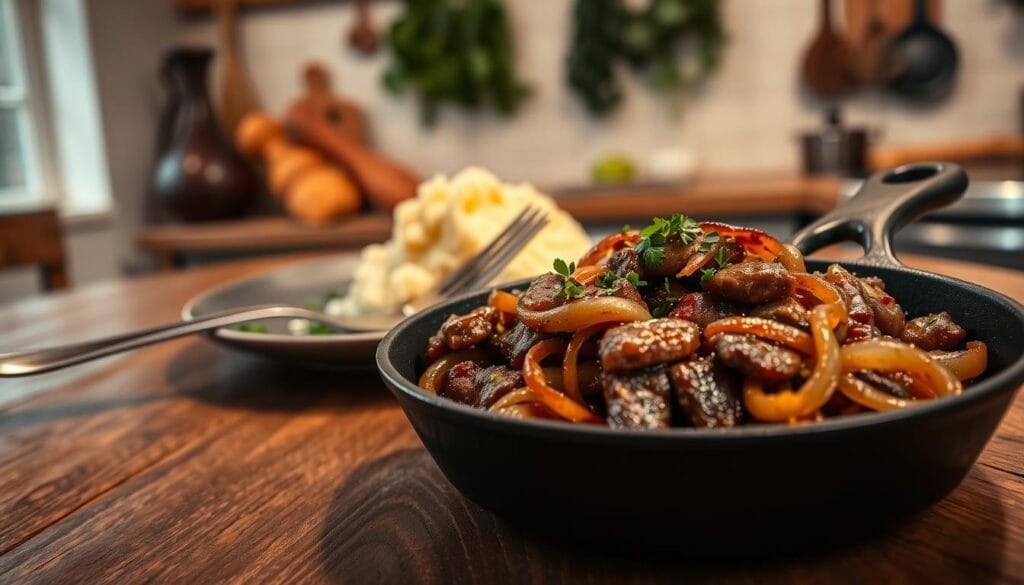
First, get your ingredients ready to save time. Cut onions into thin half-moons. Dry the liver, remove sinew, and slice it evenly. Lightly season each piece. These steps help you make tender beef liver.
Caramelizing onions properly for sweet, rich flavor
Heat a heavy skillet over medium-high and melt butter or use bacon drippings. Add the sliced onions and adjust the heat as needed. Cook for 5–10 minutes until they’re soft and lightly browned. For a sweeter onion gravy, cook for 50–60 minutes, stirring often.
Searing the liver to the right doneness — timing and visual cues
Heat the pan to high before adding fat for searing, using techniques recommended by Serious Eats. Dust the liver with seasoned flour for a crust. Sear the liver for 3–5 minutes on each side. Look for a deep brown crust and a slightly pink center for tenderness.
Making a quick pan gravy with flour and stock and finishing the dish
After removing the liver, keep the pan’s fond. Melt butter and whisk in flour to make a roux. Cook briefly, then add beef stock. Simmer for 2–5 minutes to thicken. Season with salt and pepper, then add the liver and onions to warm and coat in sauce.
For more flavor, add chopped bacon, tomato paste, or Marmite. Finish with chopped chives. This turns a simple recipe into a full meal, highlighting the importance of a good pan sauce.
| Step | Action | Time | Visual Cue |
|---|---|---|---|
| 1 | Prep onions and liver | 5–10 minutes | Even slices, dry liver surface |
| 2 | Caramelize onions (quick) | 5–10 minutes | Soft, light brown edges |
| 3 | Caramelize onions (deep) | 50–60 minutes | Deep amber, very sweet |
| 4 | Sear liver | 3–5 minutes per side | Deep brown crust, slightly pink center |
| 5 | Make pan gravy | 2–5 minutes | Glossy, thickened sauce that coats spoon |
| 6 | Finish and serve | 1–2 minutes | Liver warmed and coated in gravy |
Alternative cooking methods: braised, oven, Instant Pot, and slow cooker
Discover four reliable ways to make a delicious liver and onions recipe. Each method ensures well-seared liver, flavorful onions, and a savory sauce. Choose the method that fits your schedule and desired texture.
Start by searing the liver to keep its juices in. Cook the onions until they’re golden, then mix them with bacon, tomato puree, Marmite, and beef stock. Put everything in an ovenproof pan and bake at 150°C (300°F) for about 60 minutes. This will make the gravy rich and the liver tender. For crisp bacon, bake it separately and add it just before serving.
Instant Pot and slow cooker adaptations with timing and tips.
For Instant Pot liver and onions, brown the liver and caramelize the onions in the pot’s sauté function. Add stock, tomato paste, and a sprig of sage. Pressure cook on high for 5 minutes, then let it rest for 10 minutes. This method gives a stew-like texture quickly.
Slow cooker versions start with fully caramelizing the onions on the stovetop. Then, put everything in the slow cooker and cook on low for 4 hours or high for 2 hours. This method offers convenience and a braised-style sauce.
When to choose each method based on time and texture preferences.
Choose pan-frying for 25–30 minutes to get slightly pink, tender slices. Oven-braising is best for 1.5–2 hours to achieve deep gravy and tender liver.
Opt for Instant Pot or slow cooker for convenience and a braised finish. Note that lamb and chicken livers are better suited for quick methods.
| Method | Time | Best Result | Key Tip |
|---|---|---|---|
| Pan-fry | 25–30 minutes | Tender slices, slightly pink center | Soak in milk to reduce bitterness; sear hot |
| Oven-braise | 1.5–2 hours | Fork-tender, rich gravy | Sear first, bake at low temp with stock and tomato puree |
| Instant Pot | About 25–30 minutes (including pressure work) | Stew-like sauce, quick braise | Sauté onions first; pressure cook 5 minutes with 10-minute release |
| Slow cooker | 2–4 hours | Set-and-forget braise | Caramelize onions on stovetop before adding |
How to make liver and onions with gravy recipe
Start by searing your trimmed liver and cooking onions until the edges are browned. Use the browned bits left in the pan as the flavor base. This section walks you through building a silky pan gravy, quick thickening tricks, and smart flavor boosters to elevate your liver and onions recipe.
Building a rich gravy from pan fond
After you remove the liver, deglaze the pan with a splash of beef stock. Scrape the pan fond with a wooden spoon to lift the browned bits. Melt 2–3 tablespoons of butter in the same skillet, then whisk in 2–3 tablespoons of flour to form a light roux.
Gradually add 1–2 cups of beef stock while whisking to avoid lumps. Bring the mixture to a gentle simmer and cook until it thickens and tastes rounded. For a creamier finish, substitute part of the stock with whole milk and whisk until smooth.
Optional thickening techniques: roux vs slurry and dairy-based gravies
A roux made from butter and flour gives a stable, traditional gravy that holds heat well. Cook the roux briefly to remove raw flour flavor before adding liquid.
If you need a fast fix, mix 1½ teaspoons of cornflour with the same amount of cold water to make a slurry. Stir the slurry into simmering gravy, then cook a minute to activate the starch. Use milk or whole milk with a roux to create a creamy dairy-based gravy that pairs nicely with milder livers.
Flavor boosters: bacon, marmite/tomato paste, and herbs
Add crisp bacon or a spoonful of reserved bacon fat at the start for smoky depth. For rich umami, stir in a small amount of marmite or a teaspoon of tomato paste while the gravy simmers. Taste and season with salt and freshly ground black pepper.
Finish with dried sage or thyme during cooking, then scatter fresh chives when you return the liver and onions to the pan. Let everything warm together so the flavors meld before serving.
| Step | Ingredient or Tool | Tip |
|---|---|---|
| Deglaze | 1/4 cup beef stock | Use a wooden spoon to scrape pan fond for maximum flavor |
| Make roux | 2–3 Tbsp butter, 2–3 Tbsp flour | Cook roux briefly until golden to remove raw taste |
| Thin or thicken | 1–2 cups beef stock or 2 cups whole milk; 1½ tsp cornflour | Use stock for savory gravy, milk for creamy finish, slurry for quick thickening |
| Boost flavor | Bacon, marmite, tomato paste, sage, thyme, chives | Add bacon early; marmite or tomato paste for umami; fresh herbs at the end |
| Finish | Cooked liver and onions | Return to gravy to warm through and meld flavors before serving |
SOUTHERN-STYLE VARIATION
For a crispy version:
- Soak in buttermilk
- Coat with seasoned flour
- Fry until golden This creates a delicious Southern liver and onions recipe
Buttermilk-marinated and breaded variations (Southern style)
This Southern take turns liver into a tender, crisp favorite. A simple buttermilk soak softens strong flavor and helps the flour coating cling. You can use this approach for a calf liver recipe or try it with beef liver and onions for heartier taste.
Marinade benefits and timing
Buttermilk or milk is key in the marinade. It tenderizes slices and mellows bitterness. For best results, mix 2 cups buttermilk with hot sauce and soak for at least four hours. Overnight soaking yields the gentlest texture.
If you don’t have cultured buttermilk, make a quick substitute. Add 1 tablespoon lemon juice or white vinegar to each cup of whole milk. Let it rest five to ten minutes before using. This works well for both classic liver and onions and Southern breaded versions.
Seasoned flour coating and frying
Drain the soaked liver and pat dry. Mix flour with seasoned salt, black pepper, garlic powder, onion powder, and smoked paprika. Dredge slices in the seasoned flour and shake off excess so the crust fries evenly.
Heat a skillet with butter and bacon drippings for extra depth. Fry the coated slices three to four minutes per side until golden brown. Work in batches to avoid crowding. Add butter between batches to keep color consistent and prevent the pan from cooling too much.
Serving suggestions for the Southern-style dish
Top each piece with caramelized onions and chopped crispy bacon. Sprinkle chopped chives for color and bite. Serve immediately alongside mashed potatoes, buttered rice, or peas for a classic plate.
For extra comfort, make a creamy milk-based gravy: form a roux in the pan, then whisk in whole milk until thickened. Spoon over the breaded liver and onions for a rich, homey finish to this Southern favorite.
BEST SIDE DISHES
Pair your liver and onions with:
- Mashed potatoes
- White rice
- Collard greens
- Buttered cabbage These balance the rich flavor perfectly.
Serving suggestions and side dishes to complement beef liver and onions
Transform a simple liver and onions dish into a memorable meal with the right sides. Choose sides that complement the onion gravy and balance the liver’s strong flavor.
Mashed potatoes and gravy for mopping up sauce
Buttery mashed potatoes are a classic choice for liver and onions. Use cream and butter for a rich, creamy mash that soaks up all the gravy.
Make your mash smooth or slightly chunky, depending on your preference. Warm it before serving to keep the gravy glossy and warm.
Rice, buttered vegetables, and classic Southern pairings
White rice or baked new potatoes are good if you prefer a milder starch. For a Southern twist, try peas, buttered cabbage, or collard greens.
For pork liver, swede and carrot mash or celeriac mash are excellent choices. Choose sides that complement the type of liver in your recipe.
Garnishes: bacon, chives, fresh herbs for flavor and visual appeal
Crispy bacon adds a nice crunch and salty flavor to liver and onions. Sprinkle chopped chives, parsley, or thyme for color and freshness.
Optional, top with caramelized onions and a squeeze of lemon for a bright, tangy note that cuts through the richness.
| Side | Why it works | Best with |
|---|---|---|
| Buttery mashed potatoes | Soaks up gravy, adds creamy richness | Beef liver and onions |
| White rice | Neutral base, light texture | Pan-fried or braised liver |
| Baked new potatoes | Firm bite, rustic pairing with gravy | Southern-style liver and onions |
| Peas or buttered cabbage | Sweetness and gentle crunch to balance liver | All liver types; specially beef |
| Swede/carrot mash | Earthy sweetness that pairs well with pork liver | Pork liver variations |
| Crispy bacon & fresh herbs | Salt, texture, and fresh contrast | Enhances any liver and onions recipe |
STORAGE & REHEATING
- Fridge: up to 3 days
- Freezer: up to 1 month Reheat gently in a skillet with a bit of butter or stock.
Storing, reheating, and freezing leftovers
Keeping leftovers from a liver and onions recipe safe and tasty is easy. Cool them quickly, use the right containers, and plan how to reheat. This helps keep the texture and flavor good.
Safe storage times and containers
Put cooked liver and onions in shallow, airtight containers to cool fast. Put them in the fridge within two hours of cooking. Use leftovers in 3 days for safety and best taste. Reheat in moderate portions because some dishes are high in cholesterol and sodium.
Reheating to preserve texture
Reheat gently on the stovetop to avoid toughness. Warm a nonstick or cast-iron skillet over medium heat. Add a splash of beef or chicken stock or a pat of butter, then heat until just warm. Avoid high heat for long periods to prevent liver from drying out.
If you have breaded pieces, an air fryer can crisp them without overcooking. Use short bursts at a moderate temperature and check frequently to prevent dryness.
Freezing guidance and thawing
Freeze leftovers for up to one month in heavy-duty freezer bags or well-sealed containers. Remove excess air to limit freezer burn. Freeze gravy and onions separately from liver so you can reheat the sauce gently and keep the liver from becoming overdone.
Thaw in the refrigerator overnight before reheating. Reheat thawed portions the same way you would fresh leftovers to maintain a pleasant bite and rich gravy.
Quick reference
- Refrigerator: up to 3 days in shallow airtight containers.
- Freezer: up to 1 month in heavy-duty bags or sealed containers.
- Reheat: skillet over medium heat with stock or butter, or short air fryer bursts for breaded pieces.
Following these steps will help you enjoy your liver and onions recipe more than once. You won’t lose the dish’s character or texture when storing and reheating.
This liver and onions recipe is simple, delicious, and perfect for a quick homemade dinner.
Key Takeaways
- Learn how to make a classic liver and onions recipe step by step.
- Ready in as little as 25 minutes (pan-fried).
- Works with beef liver, calf liver, pork, or lamb.
- Includes Southern-style and gravy variations.
- Budget-friendly, high-protein, and packed with nutrients
Conclusion
You now know how to make a delicious liver and onions recipe at home. Choose the liver that suits your taste. Calf liver is milder, while beef or pork is more intense.
Soak the liver in milk or buttermilk to reduce bitterness and make it tender. Use a heavy skillet or cast-iron pan for a great sear. This helps in creating a rich sauce.
Build your sauce from the pan fond for a true liver and onions with gravy recipe. For a quick meal, try pan-frying. For deeper gravy and tender meat, use the oven, Instant Pot, or slow cooker.
Serve with mashed potatoes, rice, or buttered veggies. Store leftovers in the fridge for up to three days or freeze for a month. Reheat gently to keep the texture.
Feel free to try new things. Add bacon, tomato paste, or Marmite for extra flavor. Finish with sage or chives to make it your own. This guide will help you make a reliable liver and onions with gravy recipe you’ll love to make again.
This easy liver and onions recipe is a true classic that combines rich flavor, simple ingredients, and timeless comfort. Whether you cook it Southern-style, with gravy, or pan-fried, it’s a dish that delivers every time.
FAQ
How do you make liver less bitter?
How long should you cook liver?
What’s the best liver to use?
What type of liver should I use—beef, calf, pork, or lamb?
Do I need to soak liver before cooking and for how long?
How do I tell if liver is fresh?
What pan and equipment work best for liver and onions?
How long should I cook liver to avoid toughness?
How do I make a quick pan gravy from the fond?
Can I braise liver instead of pan-frying, and how long does it take?
How do I adapt this recipe for Instant Pot or slow cooker?
What are good substitutions for beef stock and dairy in the gravy or soak?
How should I season coated or breaded liver for Southern-style frying?
What sides pair best with liver and onions?
Can I freeze leftovers and how should I reheat them?
Why does liver taste metallic and how can I reduce that flavor?
Are there nutritional concerns with eating liver?
How can I keep cooked liver warm between batches without making it soggy?
Can I use lamb or chicken livers for these methods?
What’s the difference between making a roux-based gravy and using a slurry?
When should I choose pan-frying versus oven-braising for liver and onions?
We Value Your Opinion!
Tell us how this recipe worked for you — your voice counts.
There are no reviews yet. Be the first one to write one.