Why Is My Smoked Salmon Dry? 9 Common Mistakes to Avoid
Few things are more frustrating than spending hours preparing smoked salmon only to pull a dry, tough fillet from the smoker.
I learned this lesson during one of my earliest smoking sessions. I carefully prepared the salmon, added wood chips, and monitored the smoker. Everything seemed perfect. But when I sliced into the fish, it was dry, crumbly, and lacked the rich texture I was expecting.
After years of testing different smoker temperatures, brining methods, and salmon varieties, I discovered that dry smoked salmon is usually caused by a handful of common mistakes. The good news is that most of them are easy to fix.
If you’ve ever wondered, “Why is my smoked salmon dry?” this guide will show you exactly what went wrong and how to achieve juicy, flaky smoked salmon every time.
Table of Contents
Quick Answer
Why Is My Smoked Salmon Dry After Smoking?
The most common reason smoked salmon becomes dry is overcooking. Other factors include smoking at excessively high temperatures, skipping the brine, choosing lean salmon varieties, failing to monitor internal temperature, or smoking the fish for too long.
At A Glance
- Difficulty: Easy
- Best Smoker Temperature: 225°F
- Texture Reference: 125°F–130°F
- USDA Safe Temperature: 145°F
- Common Cause of Dry Salmon: Overcooking
| Factor | Best Practice |
|---|---|
| Smoker Temperature | 225°F |
| Moist Internal Temp | 125–130°F |
| USDA Safe Temp | 145°F |
| Recommended Woods | Alder, Apple, Maple |
| Brining Time | 8–12 hours |
| Pellicle Time | 30–60 minutes |
Why Is My Smoked Salmon Dry? The Real Causes
Salmon naturally contains moisture and healthy fats that help create a tender texture.
When exposed to excessive heat or cooked for too long, those juices escape from the fish.
The result is:
- Dry smoked salmon
- Tough texture
- Crumbly flesh
- Reduced flavor
Understanding what causes moisture loss is the first step toward preventing it.
Mistake #1: Smoking at Too High a Temperature
One of the biggest mistakes beginners make is turning up the smoker temperature to speed up the cooking process.
When salmon is smoked at temperatures that are too high, moisture escapes rapidly.
I tested salmon at:
- 180°F
- 225°F
- 275°F
The batches cooked at 275°F consistently lost more moisture and developed a drier texture.
Better Approach
For most smokers, 225°F provides the best balance between:
- Smoke flavor
- Moisture retention
- Cooking efficiency
For more detailed timing information, see my How Long to Smoke Salmon guide.
Mistake #2: Skipping the Brine
Brining helps the fish retain moisture throughout the smoking process.
Without a proper brine, salmon is far more likely to dry out.
Whether you choose a traditional wet brine or a dry brine, the goal is the same:
- Improve moisture retention
- Enhance flavor
- Improve texture
Better Approach
Use either:
before placing salmon in the smoker.
Mistake #3: Overcooking the Salmon
This is the most common cause of dry smoked salmon.
Many people rely solely on cooking time.
Unfortunately, salmon thickness varies considerably.
One fillet may be finished in two hours while another requires nearly three.
Better Approach
Use a reliable thermometer.
Using a quality instant-read thermometer is the most reliable way to avoid overcooking salmon.
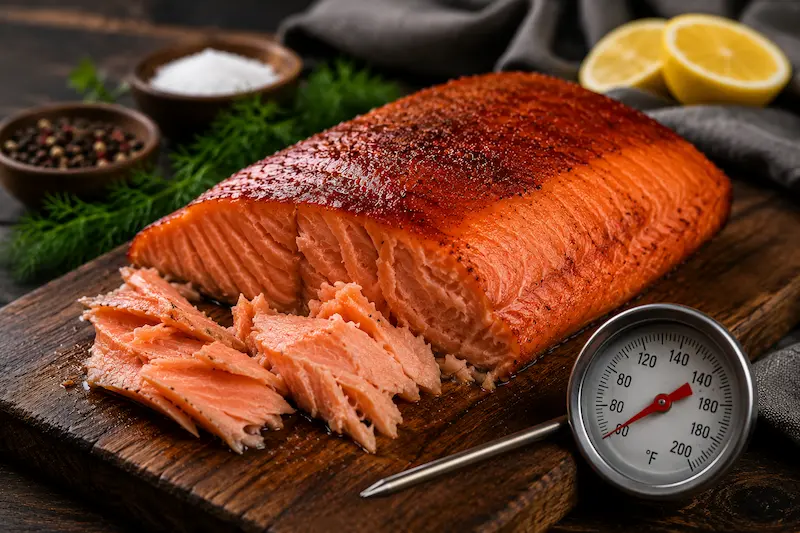
For moist texture: 125°F–130°F as a texture reference.
For food safety: The USDA recommends cooking fish to 145°F before serving.
The USDA recommends fish reach a safe internal temperature of 145°F before serving.
Mistake #4: Choosing Lean Salmon
Not all salmon varieties contain the same amount of fat.
Choosing sustainable salmon varieties can also improve overall quality and consistency.
Leaner salmon tends to dry out more quickly.
More Forgiving Options
- Atlantic Salmon
- King Salmon
Leaner Options
- Sockeye Salmon
- Pink Salmon
Lean salmon can still produce excellent results but requires closer temperature monitoring.
If you’re using Sockeye, see my Easy Sockeye Salmon Recipe for additional tips.
Mistake #5: Skipping the Pellicle
The pellicle is the slightly tacky surface that forms when salmon air-dries before smoking.
Many beginners skip this step.
Without a pellicle:
- Smoke adheres less effectively
- Moisture retention may decrease
- Texture often suffers
Better Approach
Allow the salmon to air-dry for 30 to 60 minutes before smoking.
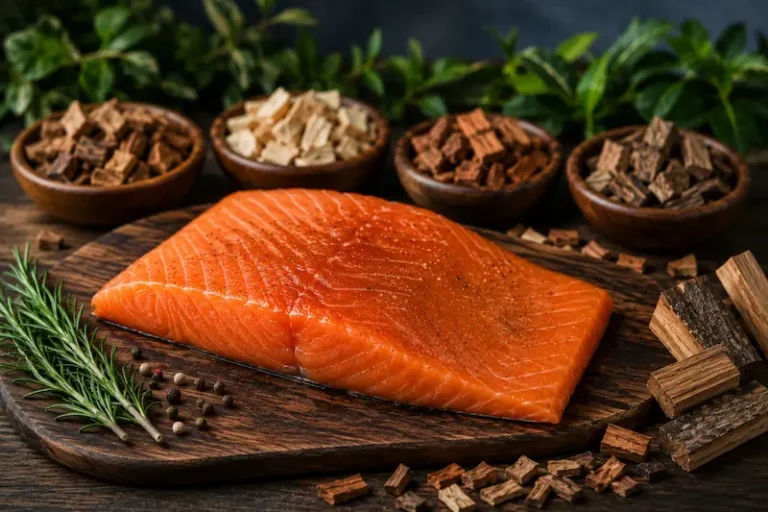
Mistake #6: Using the Wrong Wood
The type of wood you choose can influence the final texture and flavor of smoked salmon.
While wood itself doesn’t directly dry out the fish, stronger woods can overpower salmon and create a harsher eating experience that many people interpret as dryness.
Woods I Recommend
- Alder
- Apple
- Maple
- Cherry
Woods I Use Sparingly
- Hickory
- Mesquite
For a complete comparison, see my Best Wood for Smoking Salmon guide.
Mistake #7: Opening the Smoker Too Often
Every time you open the smoker lid, heat escapes and temperature fluctuations occur.
Many beginners constantly check the salmon, which can increase cooking time and create inconsistent results.
Better Approach
Trust your thermometer and keep the smoker closed as much as possible.
Maintaining a steady temperature is one of the easiest ways to improve moisture retention.
Mistake #8: Smoking Too Long
Many people assume more smoke equals better flavor.
Unfortunately, smoking salmon for too long often leads to:
- Dry texture
- Tough flesh
- Excessive saltiness if brined
I once tested a batch that stayed in the smoker nearly an hour longer than necessary.
The difference was dramatic.
The fish lost much of its moisture and became noticeably tougher.
Better Approach
Follow internal temperature rather than the clock.
Thickness matters more than smoking time.
Mistake #9: Not Resting the Salmon
Just like meat, salmon benefits from a short resting period after cooking.
Cutting into it immediately allows juices to escape.
Better Approach
Allow smoked salmon to rest for 5 to 10 minutes before serving.
Proper resting is especially important after following the timing recommendations in my How Long to Smoke Salmon guide.
This helps redistribute moisture throughout the fish.
Real Tests I Tried
After multiple smoking sessions, I compared different methods to identify the biggest causes of dry smoked salmon.
Test 1: Brined vs Unbrined
Results:
Brined Salmon
Pros:
- Juicier texture
- Better flavor
- More forgiving
Cons:
- Additional preparation time
Unbrined Salmon
Pros:
- Faster preparation
Cons:
- Noticeably drier
- Less flavor
Test 2: 225°F vs 275°F
Results:
225°F
Pros:
- Better moisture retention
- More even cooking
- Improved texture
275°F
Pros:
- Faster cooking
Cons:
- Increased risk of dryness
The difference was significant enough that I now smoke almost all salmon at 225°F.
How to Fix Dry Smoked Salmon
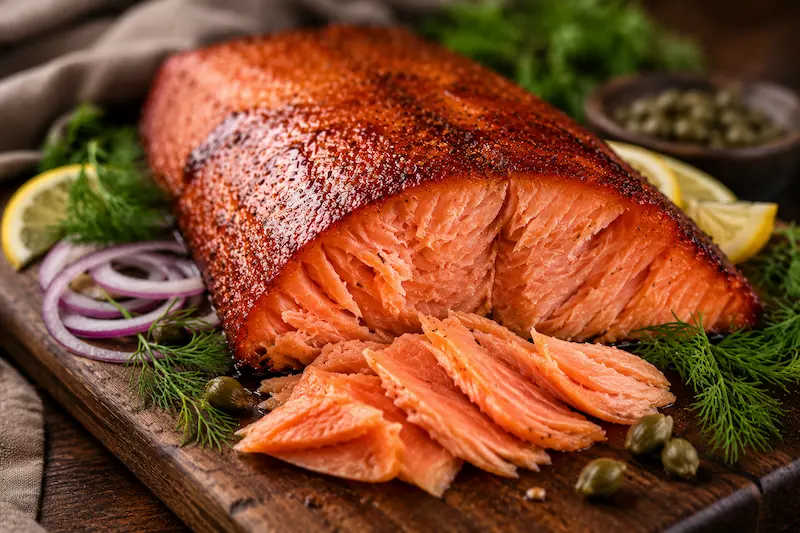
If your smoked salmon already turned out dry, don’t throw it away.
You can often improve it with a few simple tricks.
Option 1: Flake It Into Salads
Mix the salmon into:
- Green salads
- Pasta salads
- Rice bowls
The added ingredients help balance the dryness.
Option 2: Add a Sauce
Try serving it with:
- Lemon butter sauce
- Dill sauce
- Garlic aioli
- Cream cheese spread
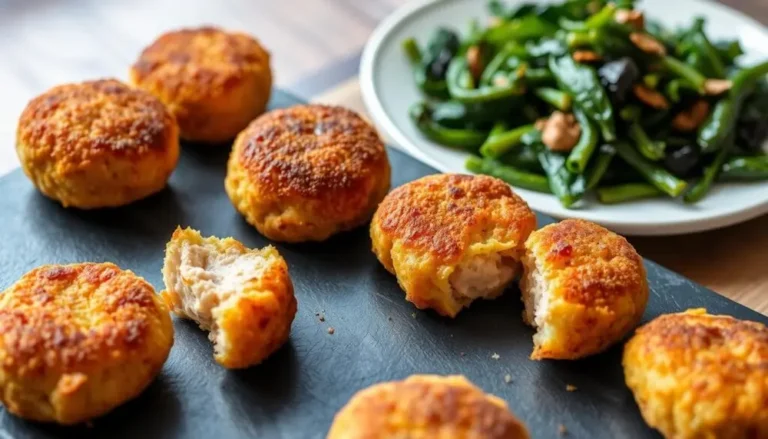
Option 3: Make Salmon Croquettes
One of my favorite solutions is turning dry salmon into Easy Salmon Croquettes.
The added ingredients help restore moisture and create a completely different dish.
What to Do With Dry Smoked Salmon
Dry smoked salmon still works well in:
- Sandwiches
- Wraps
- Pasta dishes
- Scrambled eggs
- Smoked salmon dip
- Salmon croquettes
Many people actually prefer slightly firmer smoked salmon for these applications.
Expert Tips
After years of smoking salmon, these are the habits that consistently produce the best results:
- Always brine the salmon.
- Use a thermometer.
- Smoke at 225°F whenever possible.
- Allow a pellicle to form.
- Choose quality salmon.
- Avoid opening the smoker too often.
- Rest the salmon before serving.
- Use mild woods such as alder or apple.
FAQ
Why Is My Smoked Salmon Dry and Tough?
Overcooking is usually the cause. High smoker temperatures and excessive cooking time can also contribute.
Can you overcook smoked salmon?
Yes. Salmon continues losing moisture as its internal temperature rises.
What temperature helps keep smoked salmon moist?
Lower smoking temperatures can help reduce moisture loss, but the USDA recommends cooking fish to 145°F for safety. Use a food thermometer to monitor the internal temperature.
Does brining prevent dry salmon?
Yes. Both wet brines and dry brines help improve moisture retention.
Why did my smoked salmon turn crumbly?
Crumbly texture is usually a sign that the salmon lost too much moisture during cooking.
Is Sockeye salmon easier to dry out?
Yes. Sockeye is naturally leaner than Atlantic or King salmon and requires closer monitoring.
Can You Save Dry Smoked Salmon?
Yes. Dry smoked salmon can often be repurposed into salads, pasta dishes, dips, sandwiches, or salmon croquettes. Adding moisture-rich ingredients helps improve texture and flavor.
What is the best temperature for smoking salmon?
For most home smokers, 225°F offers the best balance of flavor, texture, and moisture retention.
Final Thoughts
If you’ve been asking yourself, “Why is my smoked salmon dry?” you’re not alone. Understanding the causes of dry smoked salmon is the first step toward achieving consistently juicy and flavorful results.
Overcooking, skipping the brine, using temperatures that are too high, or choosing lean salmon varieties can all contribute to moisture loss.
Fortunately, every one of these problems is fixable.
By using a proper brine, forming a pellicle, smoking at 225°F, and monitoring internal temperature carefully, you can consistently produce juicy, flaky smoked salmon with excellent flavor.
If you’re building your smoked salmon skills, I recommend reading:
- Perfect Brine for Smoked Salmon
- Smoked Salmon Dry Brine Recipe
- How Long to Smoke Salmon
- Best Wood for Smoking Salmon
Together, these guides form a complete roadmap for smoking salmon successfully at home.
We’d Love Your Feedback
Made this recipe? We’d love to hear how it turned out! Leave a star rating and share your experience to help other home cooks cook with confidence.
There are no reviews yet. Be the first one to write one.