Easy Sockeye Salmon Recipes for Any Meal
Imagine turning your kitchen into a place of wonder with just a little effort. Sockeye salmon recipes let you make meals that impress everyone. This fish is packed with flavor, making your dishes unforgettable.
Busy people and cooking enthusiasts alike will love preparing this wild salmon. It’s bold in flavor and easy to work with, so you can enjoy great meals without fuss.
There are many ways to prepare it, from baking to pan-searing. It works well for all kinds of meals and skill levels, helping you create amazing dishes right in your own kitchen.
Table of Contents
Why Sockeye Salmon Deserves a Place in Your Kitchen
Exploring sockeye salmon can change how you view healthy eating. This vibrant red fish is more than just a seafood choice. It’s a flavor and nutrition powerhouse that can make your meals special.
Understanding the Bold Flavor of Sockeye
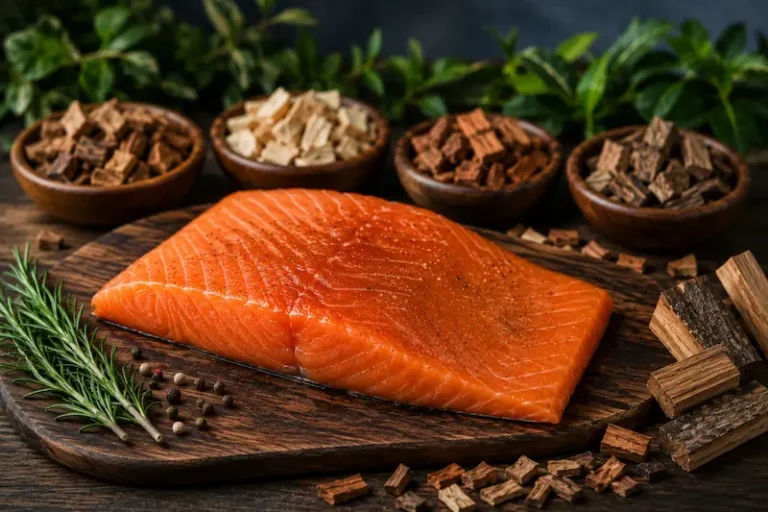
Learning to cook sockeye salmon reveals its unique traits. Caught wild in the Pacific Ocean, it has a rich, meaty taste. Its deep red color comes from eating krill and plankton, making it perfect for bold flavors.
- Vibrant red color from natural diet
- Lean, firm texture
- Strong, distinctive taste
- Pairs well with robust flavors
Nutritional Benefits That Make It a Superfood
Sockeye salmon is not just tasty; it’s also super nutritious. It’s full of nutrients that boost your health.
| Nutrient | Health Benefit |
|---|---|
| Omega-3 Fatty Acids | Supports heart health, reduces inflammation |
| Protein | Builds muscle, supports weight management |
| Vitamin A | Improves vision, boosts immune system |
| Astaxanthin | Powerful antioxidant, protects cells |
With essential nutrients, sockeye salmon is a great taste and nutrition combo. It’s perfect for anyone who loves healthy food or trying new recipes. This fish should be a staple in your kitchen.
Nutritional Value of Sockeye Salmon for a Healthy American Diet
- Omega-3 (heart health)
- High-quality protein
- Vitamin D
- Low carb / keto-friendly
- Fits USDA & American dietary habits
How to Choose and Buy Quality Sockeye Salmon
Choosing high-quality sockeye salmon makes a noticeable difference in both flavor and texture. Understanding what to look for—such as color, freshness, and sourcing—helps ensure better results in any cooking method.
Looking for the best sockeye salmon recipes? Choosing high-quality fish is key. Not all salmon is the same. Knowing what to look for can make a big difference in your cooking.
Pacific salmon has five main types, but sockeye is a top pick for home cooks. Its bright red-orange color and firm texture are perfect for many cooking methods.
- Look for wild-caught sockeye from sustainable places like Bristol Bay, Alaska
- Check for bright, uniform color without brown spots
- Prefer fish with minimal odor
- Choose skin-on fillets for better cooking results
Wild salmon usually tastes better than farmed. When shopping, keep an eye on these important details:
- Seek Marine Stewardship Council certifications
- Consider flash-frozen options, which keep freshness
- Verify ingredient lists (pure salmon with no additives)
Don’t worry about the price. Wild sockeye might be pricier, but looking for sales and knowing what quality means can help you make good choices for your recipes.
Essential Preparation Tips Before You Start Cooking
Getting your sockeye salmon ready right is key to making your cooking stand out. To cook sockeye salmon like a pro, follow some important steps. These will make your sockeye salmon recipes taste like they’re from a fancy restaurant.
Professional chefs always stress the importance of good preparation. Before you start cooking, keep these tips in mind. They’ll help your salmon turn out perfectly every time:
- Remove salmon from refrigerator 15-20 minutes before cooking
- Pat fish dry with paper towels
- Season minimally to highlight natural flavors
- Check for and remove pin bones
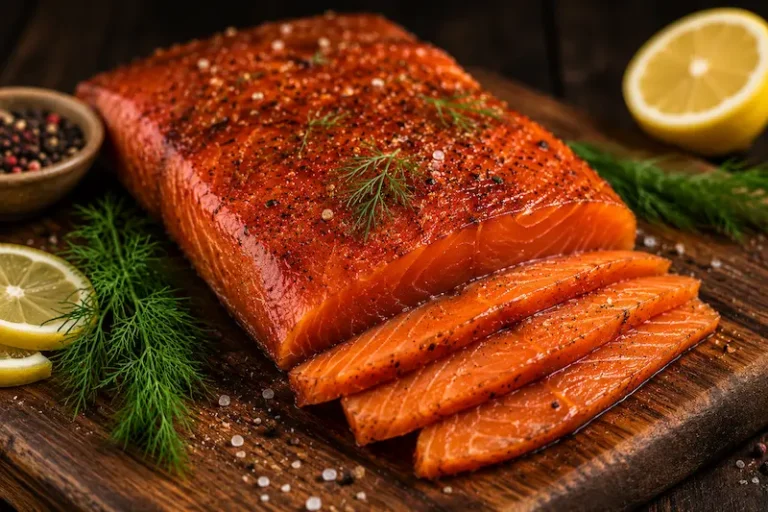
For deeper flavor and moisture, some cooks start with a simple brine before cooking or smoking salmon.
Bringing Salmon to Room Temperature
Letting your sockeye salmon warm up before cooking is a must. Cold fish can cook unevenly. This makes the outside tough while the inside is raw. Let it sit at room temperature for 15-20 minutes before cooking.
Patting Dry for Perfect Results
To get a golden, crispy outside, make sure the salmon is dry. Use paper towels to gently pat both sides dry. This prevents steaming and helps create that perfect sear you’re aiming for in your salmon dishes.
Pro tip: For the best results in your sockeye salmon recipes, always start with a dry surface and minimal seasoning to let the fish’s natural flavors shine.
Baked Sockeye Salmon Recipe for Effortless Weeknight Dinners
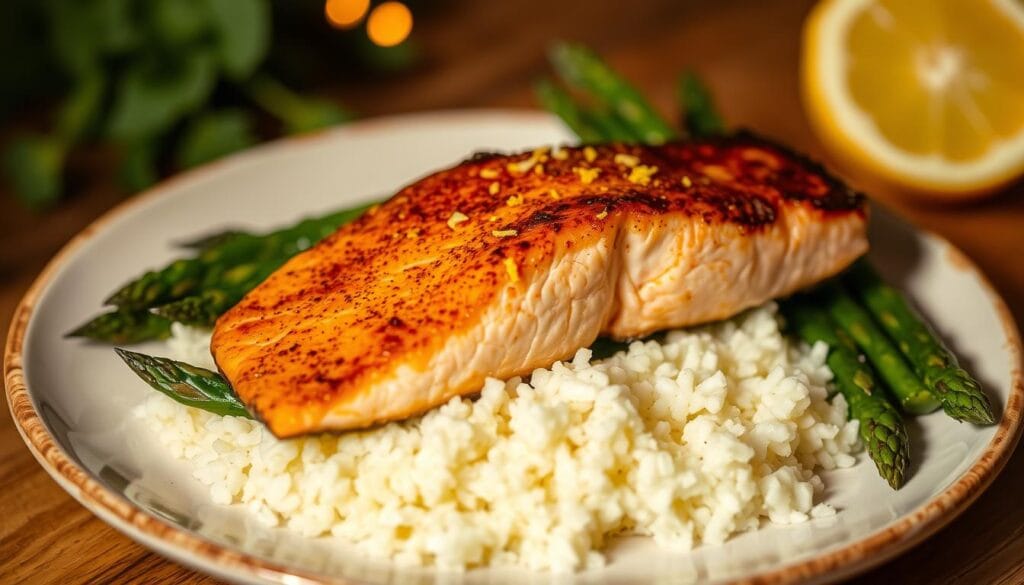
Making a tasty baked sockeye salmon recipe is easy. Just follow a few simple steps to create a healthy and quick meal.
First, heat your oven to 400°F. This temperature helps your salmon cook evenly and taste great. Use parchment paper on a baking sheet for easy cleanup and to stop sticking.
- Choose fresh sockeye salmon fillets
- Pat the salmon dry with paper towels
- Season generously with your favorite spices
To make the best baked sockeye salmon, mix a simple seasoning:
- Olive oil to keep the fish moist
- Salt and pepper
- Garlic powder
- A pinch of brown sugar
- Paprika for color and depth
For the perfect sockeye salmon, bake for 12-15 minutes. It should flake easily but stay moist inside. A tip: take the salmon out just before it’s done and let it rest. This way, the heat will keep cooking it, making it tender.
Quick cooking tip: For every inch of thickness, plan on about 10 minutes of baking time at 375°F.
Try different seasonings like lemon juice, fresh herbs, or Dijon mustard. This will keep your baked sockeye salmon exciting and tasty.
Pan-Seared Sockeye Salmon with Crispy Skin
Learning to cook sockeye salmon with a golden crust can make your cooking stand out. Pan-searing is a great method that brings restaurant-quality results with little effort. The secret to amazing sockeye salmon recipes is mastering a few key techniques. These ensure a crispy outside and a juicy inside.
Before you start pan-searing your salmon, pay close attention to detail. First, gather these essential tools:
- Stainless steel or cast-iron skillet
- Paper towels
- High-heat cooking oil
- Spatula
- Kitchen tongs
Getting That Perfect Golden Crust
The secret to a stunning crust is in how you prepare your salmon. Dry the fish with paper towels to remove excess moisture. This step is key for a crispy skin when cooking sockeye salmon.
| Seasoning Options | Flavor Profile |
|---|---|
| Sea salt and black pepper | Classic, simple seasoning |
| Smoked paprika | Adds depth and smokiness |
| Garlic powder | Provides subtle aromatic notes |
Best Oils and Temperature for Searing
Choose an oil with a high smoke point for perfect pan-searing. Algae oil and olive oil are great for sockeye salmon recipes. Heat your skillet to medium-high, so a water droplet sizzles right away.
Place the salmon skin-side down and gently press with a spatula. Cook for 5-6 minutes without moving, letting the skin crisp up. Flip for 1-2 minutes to finish cooking. You’ll get a perfectly seared sockeye salmon with crispy skin and tender meat.
Poached Sockeye Salmon for Light and Delicate Meals
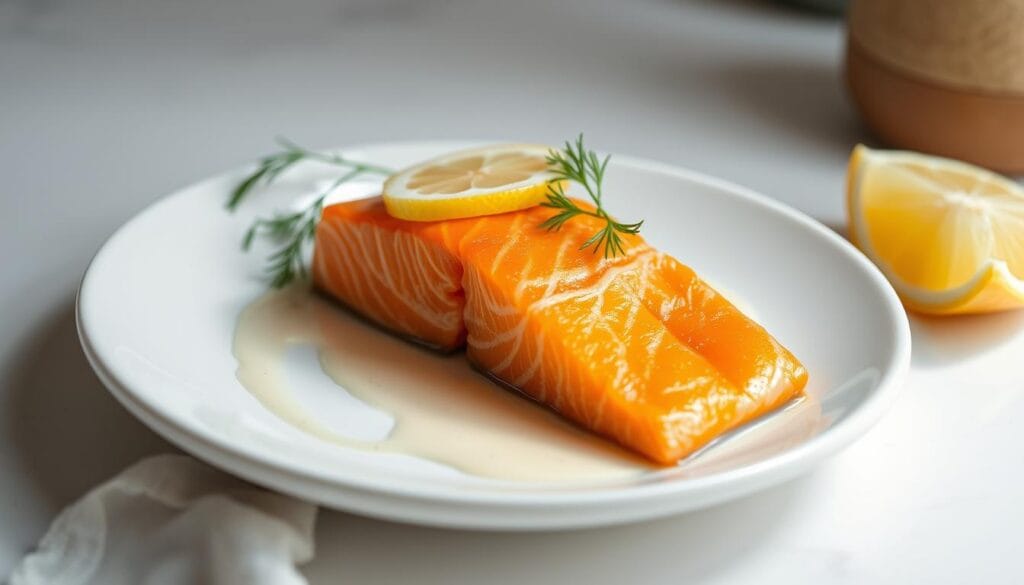
Poaching is the best way to cook sockeye salmon. It keeps the fish tender and its flavors intact. If you want to cook salmon gently and tenderly, poaching is the way to go.
Making the right poaching liquid is key. You need a mix of ingredients that add subtle flavors to the salmon:
- Water or white wine as a base
- Fresh lemon slices
- Whole garlic cloves
- Fresh herbs like dill or parsley
Temperature control is important for poaching. Keep the liquid at a gentle simmer. This way, your salmon stays soft and tender, never tough or dry.
Cooking time is about 8-10 minutes, depending on the salmon’s thickness. Check if it’s done by looking for opaque flesh that flakes easily. Make sure to fully submerge the salmon for even cooking.
Poached salmon is a versatile protein perfect for meal prep, light summer dinners, or creating elegant cold salads.
Serve your poached sockeye salmon on a bed of greens, with roasted veggies, or on a grain bowl. It’s a nutritious and tasty meal that highlights the fish’s natural flavor.
Cast-Iron Skillet Sockeye Salmon Recipes with Mustard and Honey
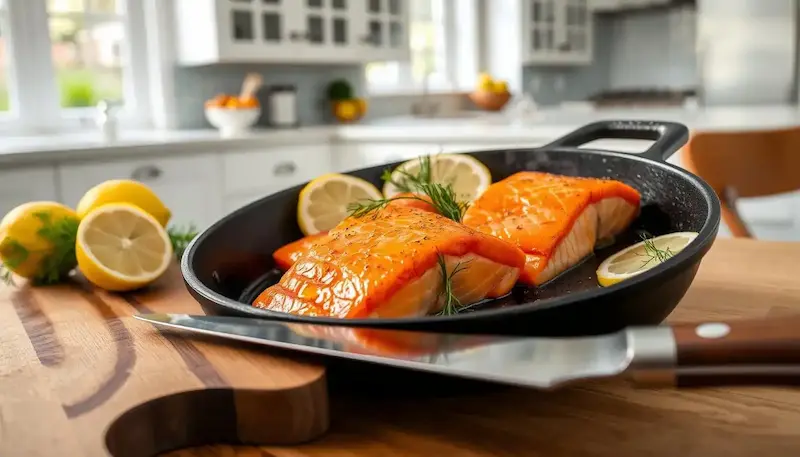
Take your sockeye salmon recipes to the next level with a classic cast-iron skillet method. This technique turns simple baked red salmon into a dish fit for a restaurant. The cast-iron skillet’s heat distribution is unmatched, adding a rich, deep flavor that home cooks love.
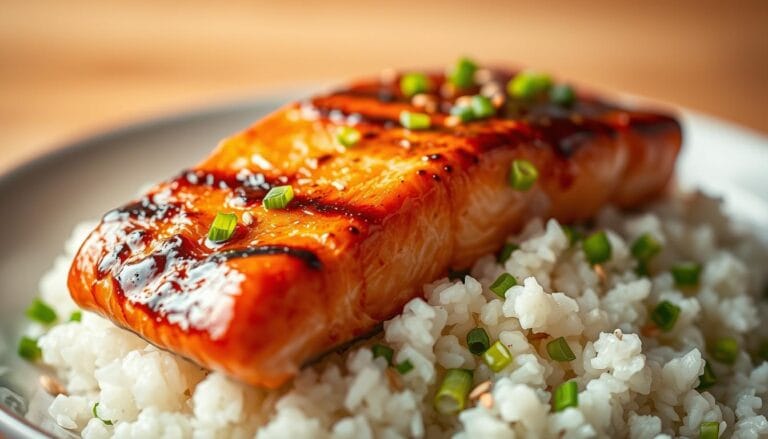
This method also works beautifully with sweet-savory glazes, like this honey soy salmon recipe for quick, flavorful dinners.
Cooking salmon in a cast-iron skillet is pure magic. The pan creates a perfect golden crust and keeps the inside tender and juicy.
Creating Campfire Flavors at Home
Bring the outdoors into your kitchen with this simple yet sophisticated method. The secret is layering flavors through careful basting and choosing the right ingredients.
- Use unsalted butter for rich flavor base
- Select fresh herbs for authentic aroma
- Baste continuously for maximum moisture
“The secret to great salmon is patience and proper technique.” – Professional Chef
Herb Combinations That Complement Sockeye
Sockeye salmon’s robust flavor pairs well with specific herb combinations. Your choice of herbs can turn a simple meal into a culinary masterpiece.
- Rosemary: Adds woodsy, pine-like notes
- Thyme: Provides fragrant, delicate undertones
- Dijon mustard and honey create a perfect glaze
Try out these flavor profiles to find your perfect sockeye salmon recipe. The cast-iron skillet method guarantees a delicious result every time.
How Long to Cook Sockeye Salmon and Check for Doneness
Cooking sockeye salmon just right is all about precision. When you’re making your baked sockeye salmon, timing is key. Knowing how long to cook it can turn a dry fish into a juicy meal.
Different cooking methods need different approaches. Here’s a quick guide to help you get salmon just right:
- Baking: 12-15 minutes at 375°F-400°F
- Pan-searing: 5-6 minutes skin-side down, 1-2 minutes on flesh side
- Poaching: 8-10 minutes
- Cast-iron skillet: 8-10 minutes with occasional basting
Professional chefs use the 10-minute rule: cook salmon for 10 minutes per inch of thickness at 375°F. But it’s the temperature that really matters for doneness.
“The secret to perfect salmon is knowing exactly when to pull it from the heat.” – Professional Chef
Temperature ranges for doneness are key:
- 115°F-125°F: Medium-rare (translucent center)
- 125°F-140°F: Medium to well-done
- 140°F: Maximum temperature – pull immediately
Without a thermometer, look for these signs: salmon should turn from deep red to pink. It should flake easily with a fork and stay moist in the center. Remember, practice makes perfect with your baked sockeye salmon recipe.
Serving Suggestions and Side Dishes to Complete Your Meal
Improving your sockeye salmon recipes is more than just the fish. It’s about creating a well-rounded, tasty meal. This means choosing the right sides and grains carefully.
Pairing with Vegetables and Grains
Choosing the right sides can make your sockeye salmon dish stand out. The cooking method of your salmon will guide your side dish choices.
- Roasted Vegetables: Asparagus, Brussels sprouts, and broccoli balance the salmon’s richness with a hint of bitterness
- Sautéed greens like spinach or kale offer a light, fresh contrast
- Colorful roasted bell peppers, zucchini, and cherry tomatoes add a pop of color
Smart Leftover Salmon Ideas
Leftover sockeye salmon doesn’t have to be dull. With a little creativity, you can turn it into exciting new dishes.
- Flake cold salmon over fresh green salads
- Mix into grain bowls for quick lunches
- Create salmon patties with just a few ingredients
- Fold into scrambled eggs for a protein-packed breakfast
- Spread on bagels with cream cheese and herbs
Always store leftover salmon in an airtight container. This way, it stays fresh for up to three days.
Key Takeaways
- Sockeye salmon offers restaurant-quality flavor with minimal cooking skills
- Multiple cooking techniques available for diverse meal preparation
- Perfect protein option for breakfast, lunch, and dinner
- Natural bold flavor requires minimal seasoning
- Quick and easy to prepare for busy home cooks
Conclusion
Sockeye salmon is more than just a meal—it’s the starting point for incredible dishes you can make right at home. Whether you follow a classic baked preparation or explore new cooking methods, this fish delivers exceptional flavor and nutrition every time. With each dish you prepare, your confidence in cooking sockeye salmon will continue to grow.
The beauty of these meals lies in their simplicity. You don’t need complicated techniques or expensive ingredients to create restaurant-quality results in your own kitchen. From pan-searing to poaching, every method reveals a different side of this bold, flavorful fish and helps sharpen your skills with each attempt.
Wild-caught sockeye salmon offers outstanding nutritional value and versatility, making it ideal for a wide range of meals. It works across many cuisines and cooking styles while maintaining its rich color and taste. By practicing the techniques shared in this guide, you’ll elevate your home cooking and make sockeye salmon a regular part of your weekly routine.
Embrace the experience of mastering this remarkable fish. Start with simple preparations, experiment with flavors and methods, and trust your instincts as you cook. Your palate—and your health—will reward you for making sockeye salmon a staple in your culinary routine.
Frequently Asked Questions About Sockeye Salmon
How long does it take to cook sockeye salmon?
Is wild-caught sockeye salmon better than farmed salmon?
What is the best way to keep sockeye salmon from drying out?
Can you freeze sockeye salmon?
What are the best seasonings for sockeye salmon?
Is sockeye salmon healthy?
What makes sockeye salmon different from other salmon?
We Value Your Opinion!
Tell us how this recipe worked for you — your voice counts.
There are no reviews yet. Be the first one to write one.